Home / Resources
Tree Care Resources
Detailed, local tree care guidance for Chippewa Valley homeowners, built around Wisconsin growing conditions and checked against sources such as UW-Madison Extension, Wisconsin DNR, USDA, and City of Eau Claire guidance.
Tree care articles
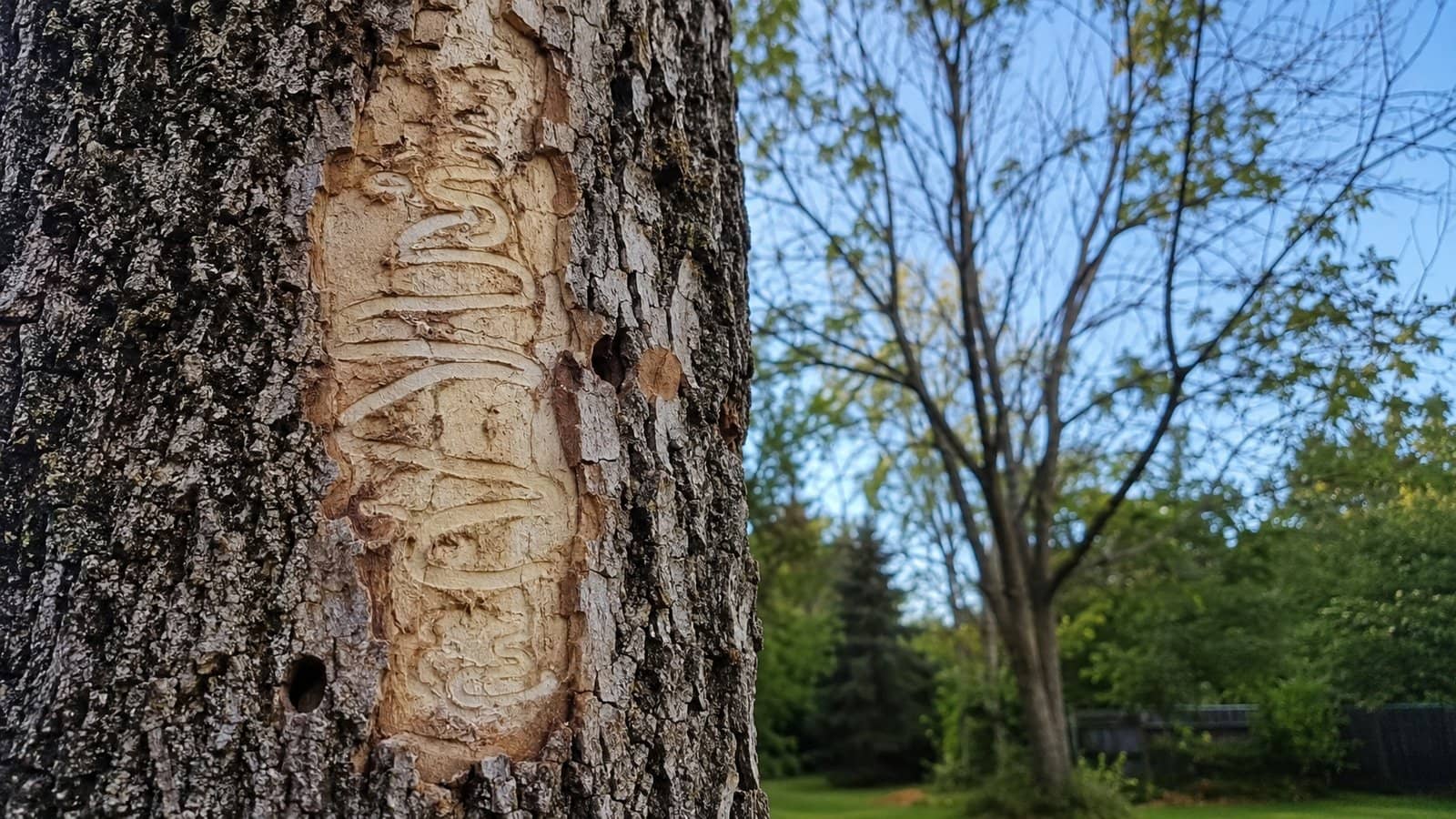
Is Your Ash Tree Worth Saving? Emerald Ash Borer in the Chippewa Valley
EAB is confirmed across Wisconsin. Learn how canopy loss, tree condition, location, and treatment commitment affect whether an ash is worth saving.
Read article →
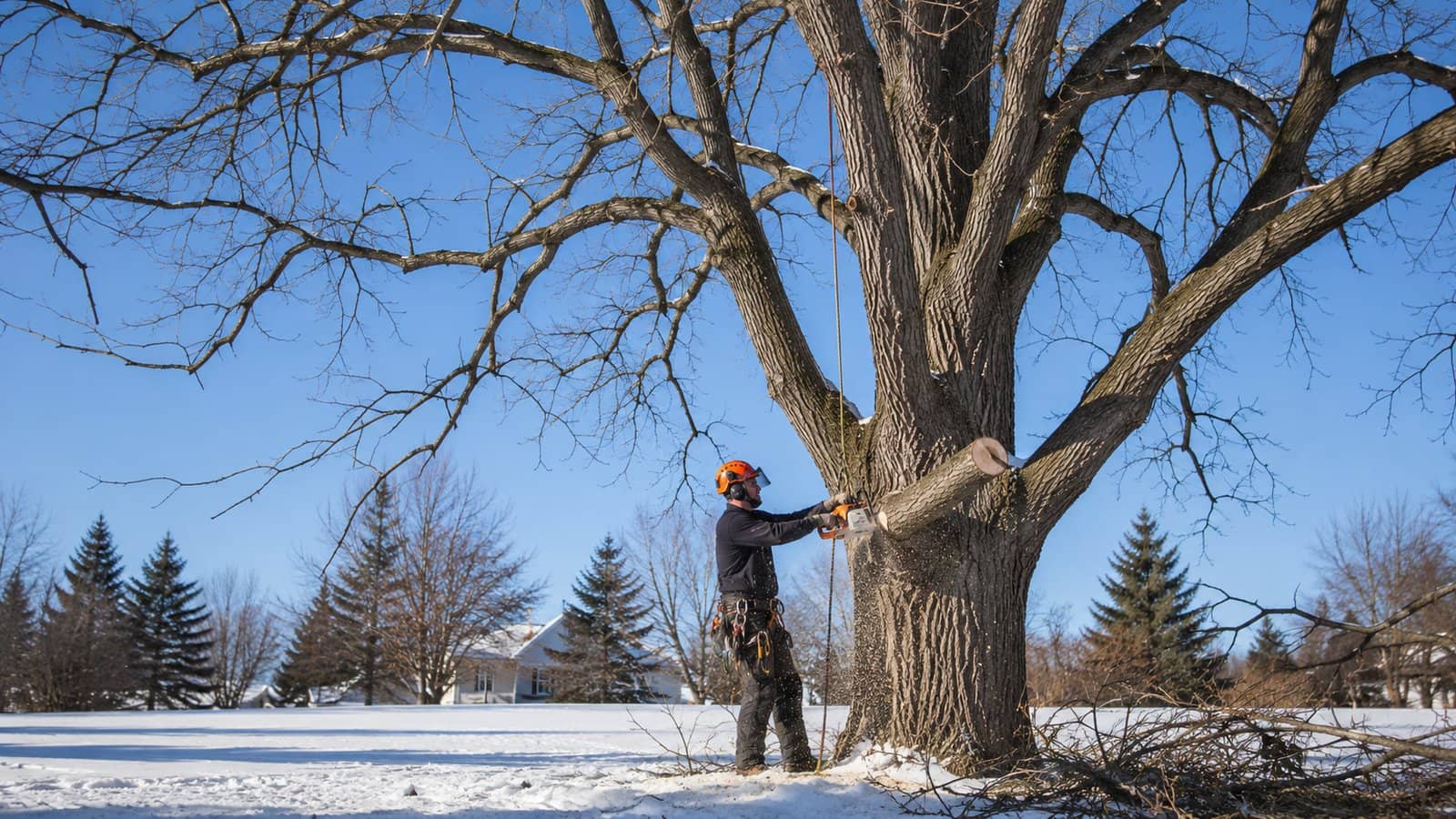
When to Prune Oak Trees in Wisconsin (and How to Avoid Oak Wilt)
The safest oak pruning window is dormancy. Learn why spring and early summer wounds raise oak wilt risk and what to do after storm damage.
Read article →
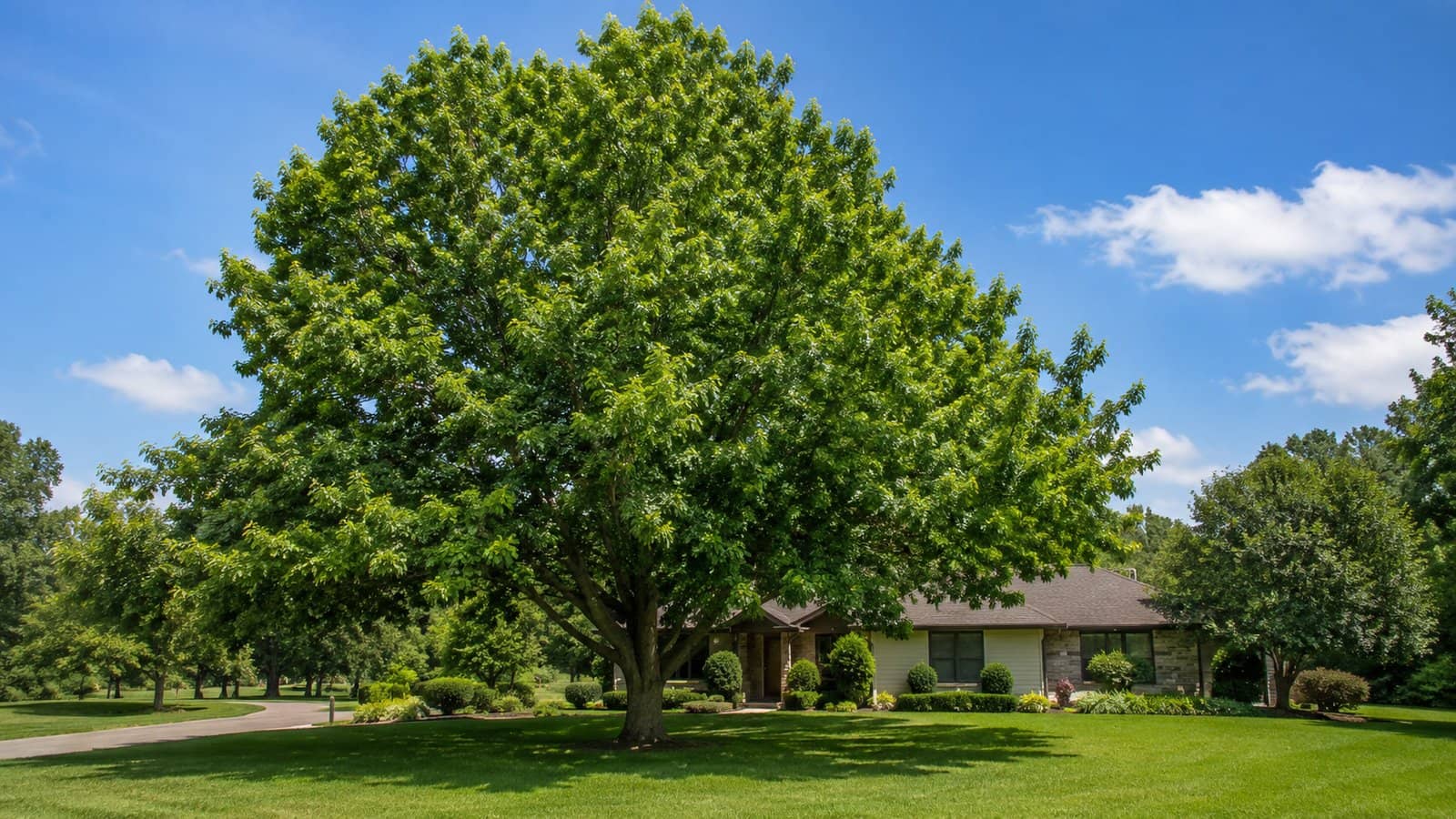
The Best Shade Trees to Plant Around Eau Claire
Choose shade trees for local hardiness, soil, mature size, and diversity. Bur oak, hackberry, river birch, ironwood, and other hardy options can fit well here.
Read article →
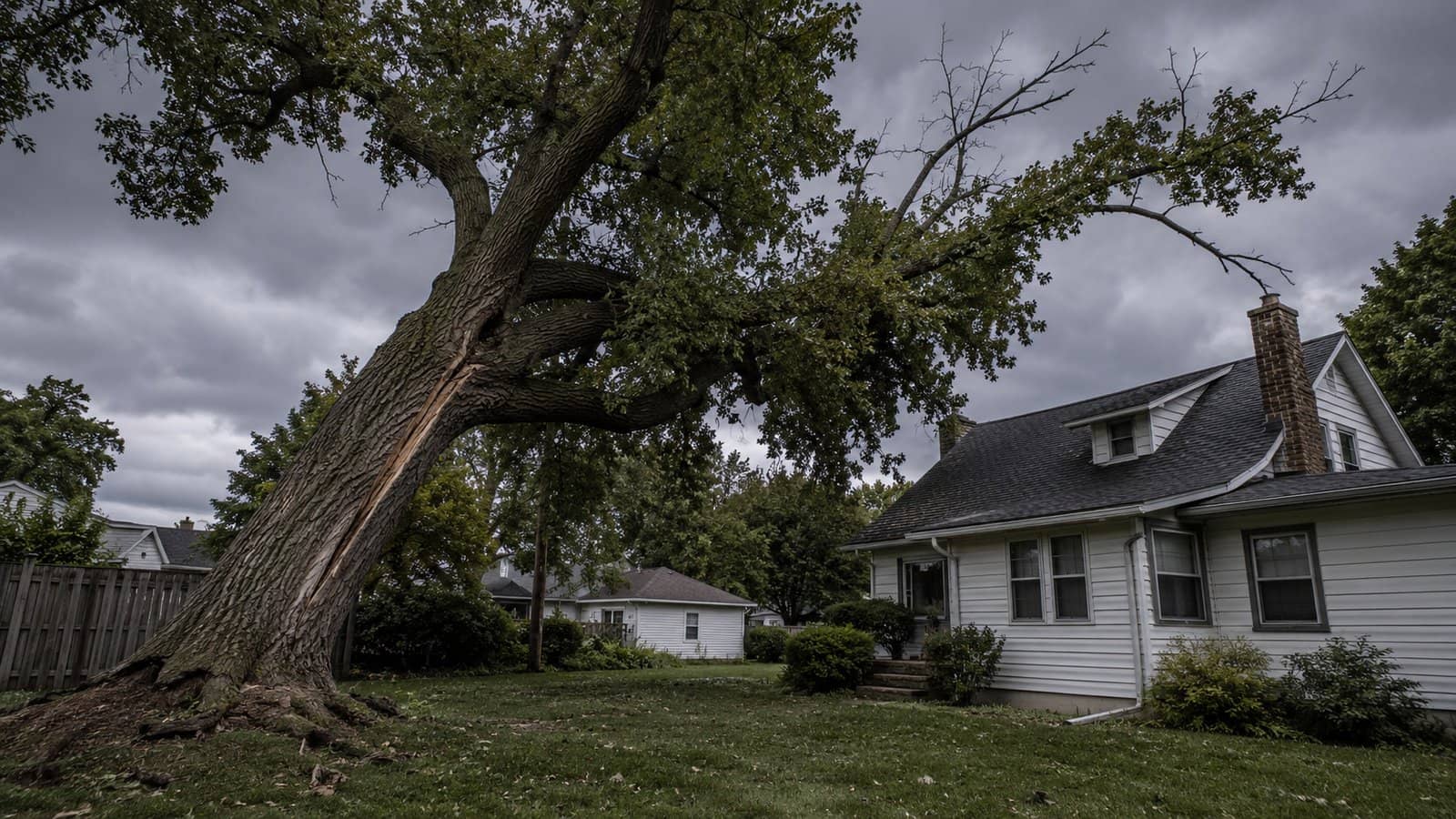
6 Signs a Tree on Your Property Might Be Dangerous
Dead limbs, new lean, trunk cracks, decay, weak unions, and multiple defects can raise risk, especially near homes, driveways, sidewalks, and play areas.
Read article →
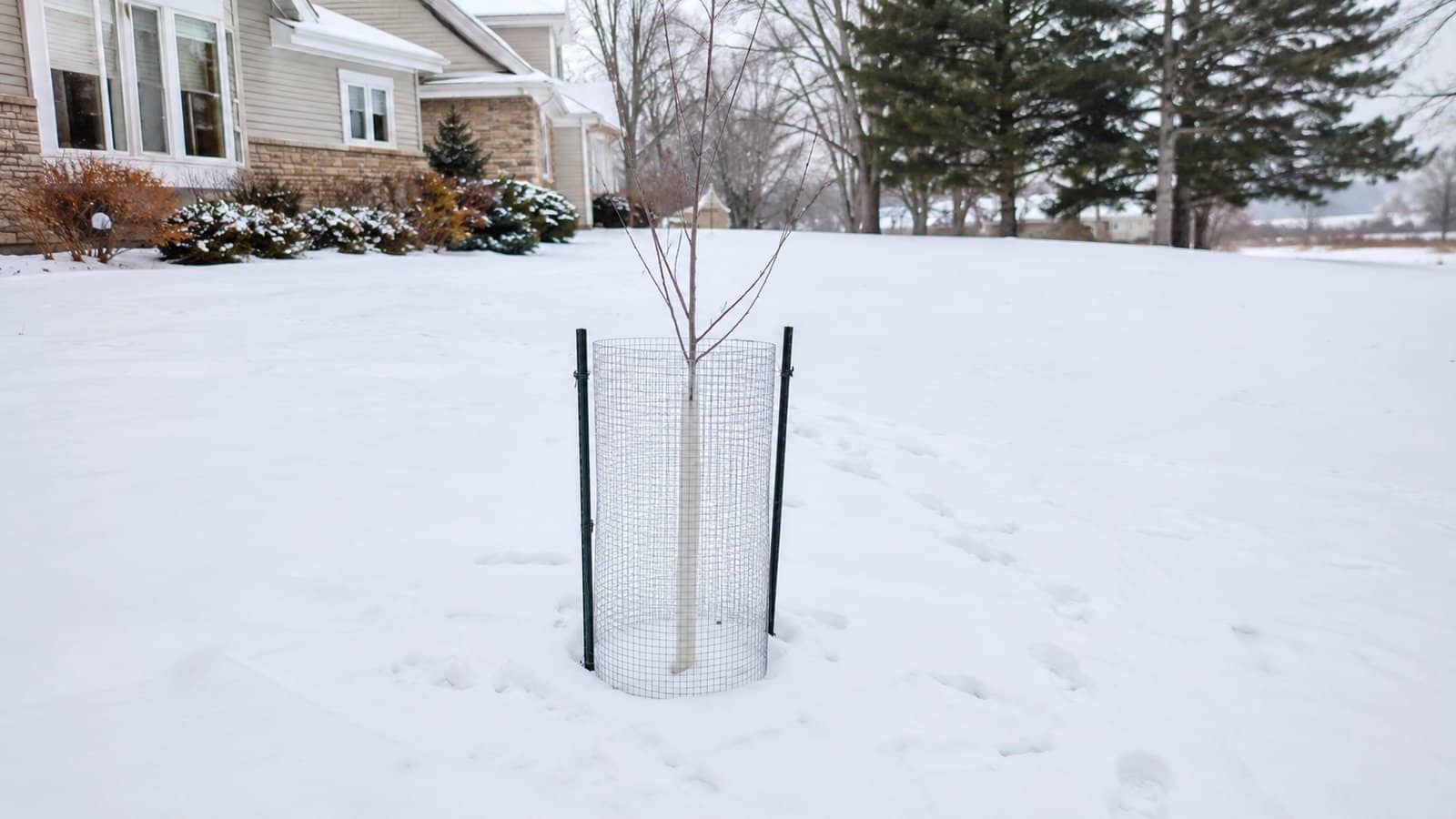
Getting Your Trees Ready for a Wisconsin Winter
Prepare trees for Wisconsin winter with fall watering, mulch, trunk guards, careful snow handling, salt reduction, and a check for weak limbs.
Read article →
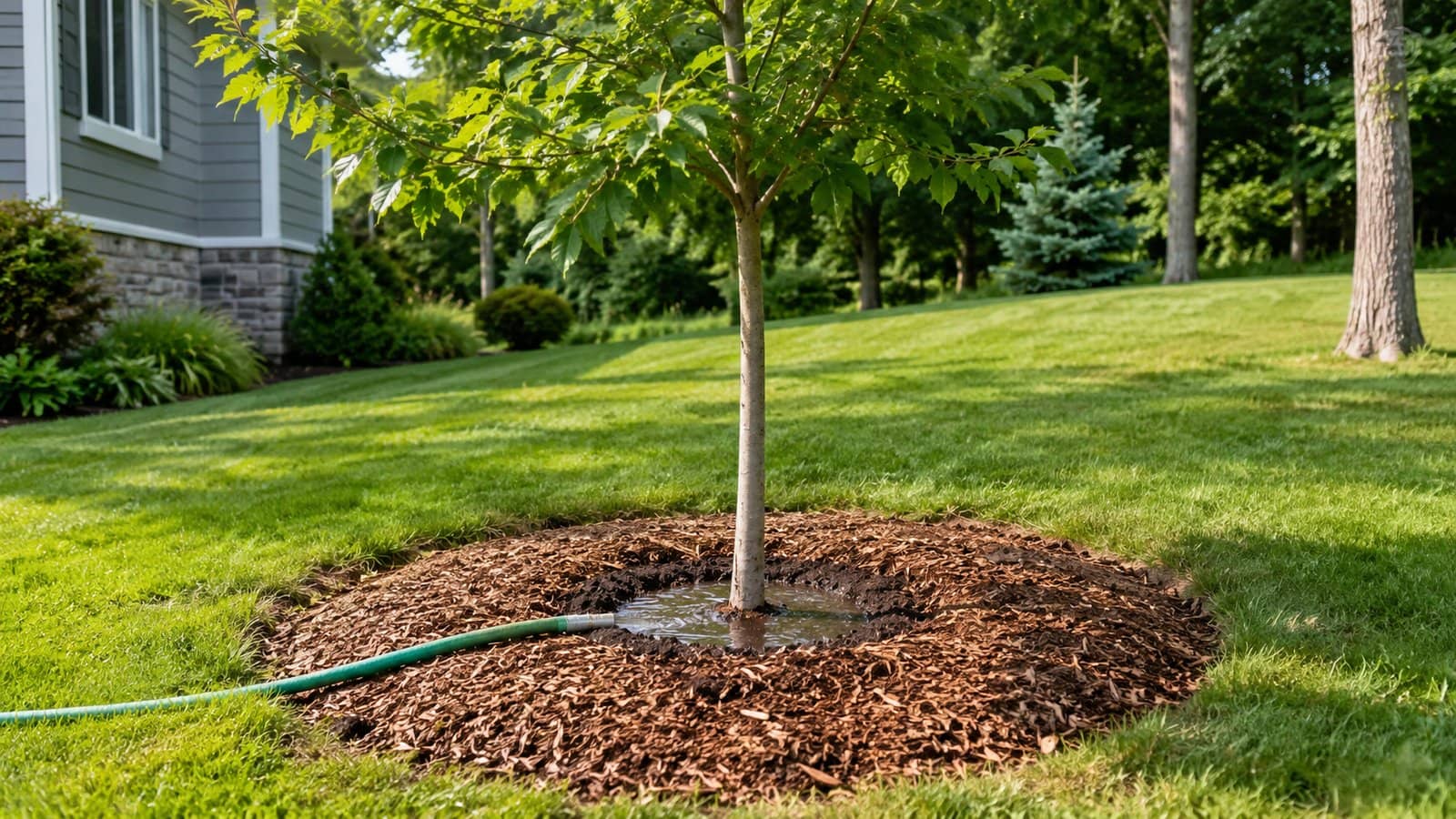
How to Water a Newly Planted Tree Through Its First Year
Water daily at first, then taper as roots establish. Use slow soaking, keep mulch flat, and watch soil moisture instead of guessing from the leaves.
Read article →
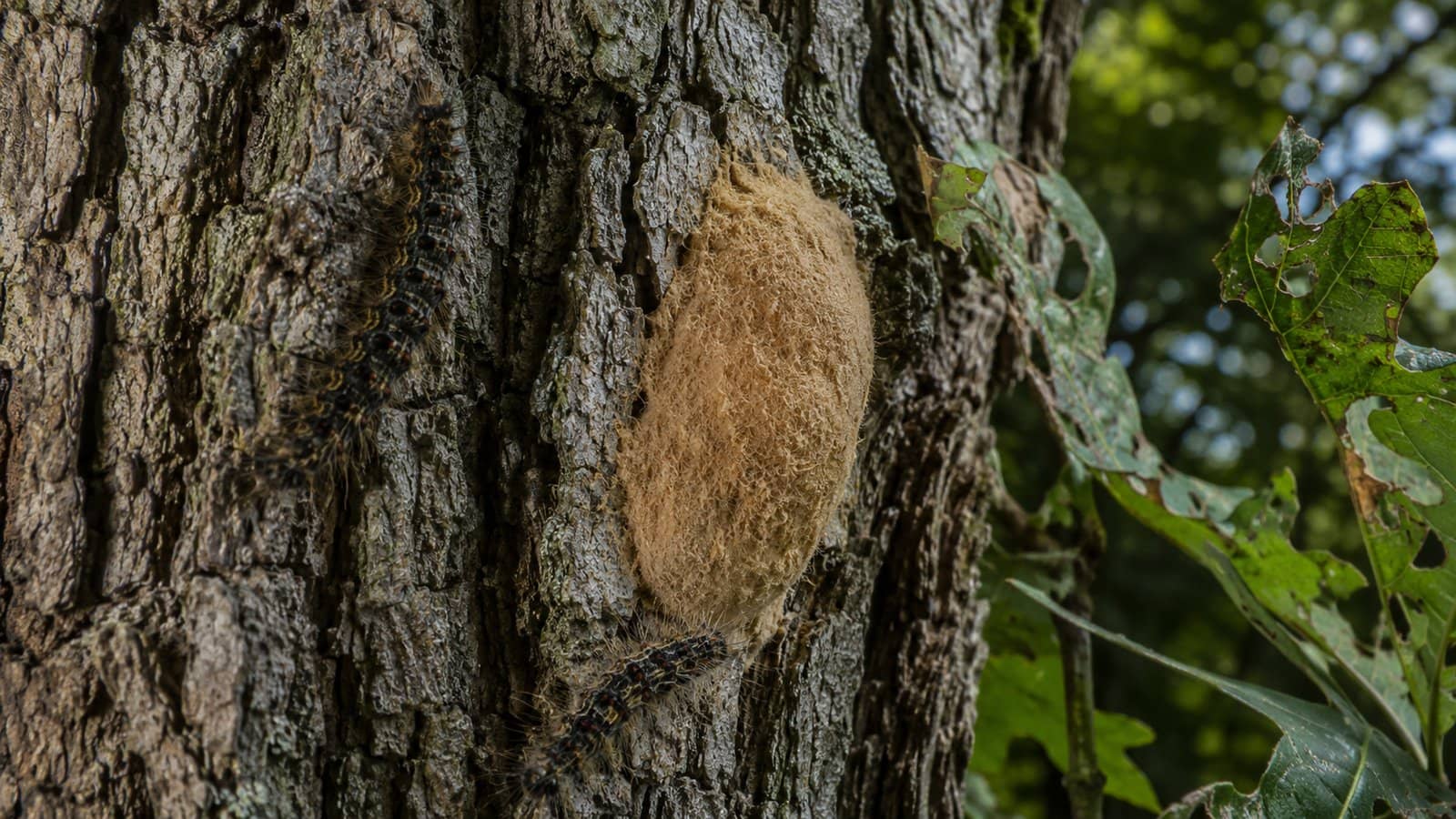
Spongy Moth in Wisconsin: What Chippewa Valley Homeowners Should Know
Spongy moth caterpillars can strip leaves from oaks and other trees. Learn how to spot egg masses, reduce spread, and protect high-value trees.
Read article →
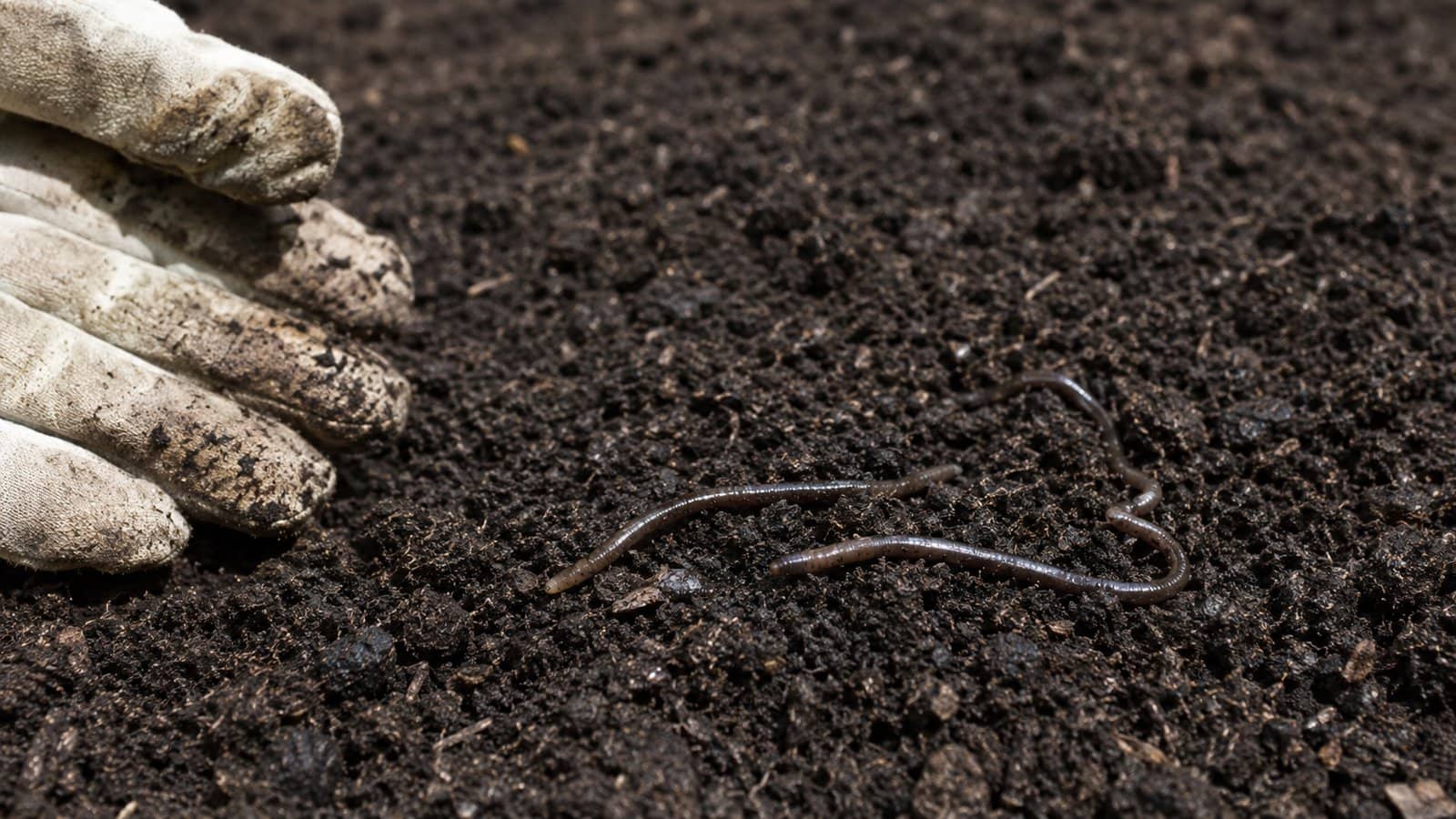
Jumping Worms: The Invasive Pest Changing Wisconsin Soil
Jumping worms turn soil into dry, coffee-ground-like pellets. Prevention matters most: inspect plants, clean tools, and avoid moving infested soil or mulch.
Read article →
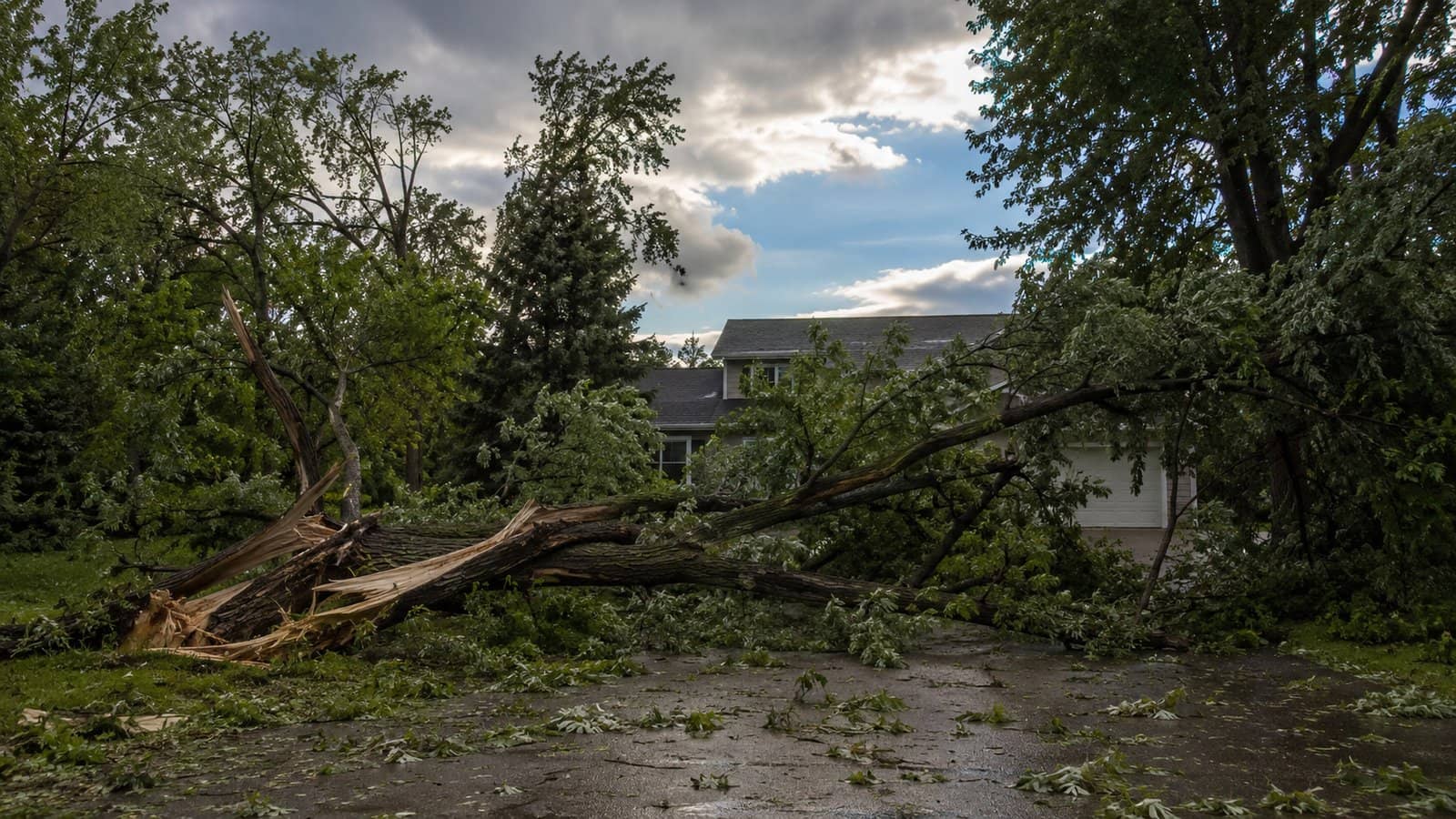
What to Do When a Storm Damages Your Trees
After a storm, stay away from wires, avoid cutting tensioned limbs, document damage safely, and call for help with split trunks, hangs, leans, or structural targets.
Read article →
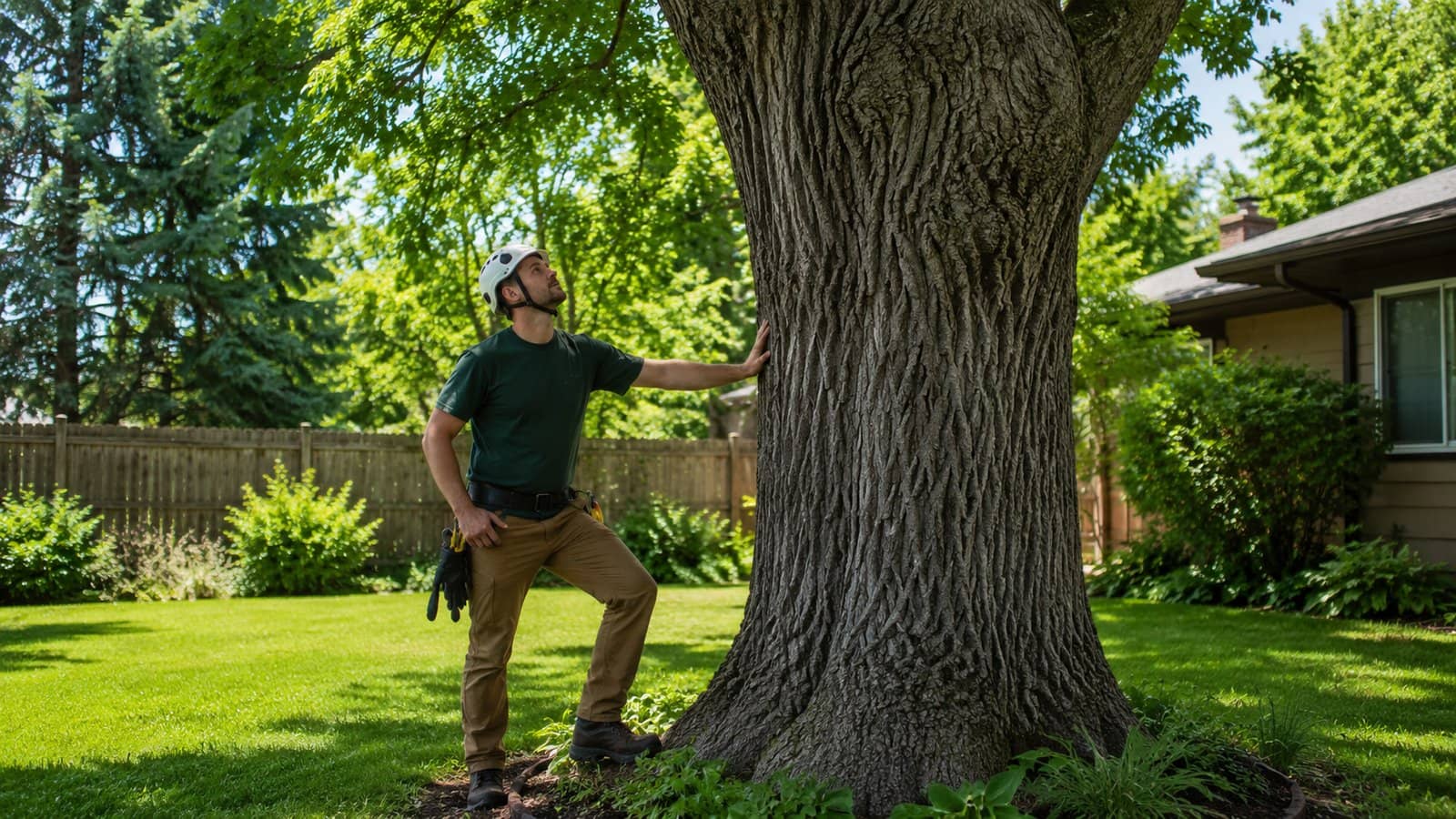
Tree Removal vs. Pruning: How to Tell Which Your Tree Needs
Pruning can solve many branch and clearance problems. Removal is more likely when decay, root failure, major cracks, death, or unsafe location make the whole tree a risk.
Read article →
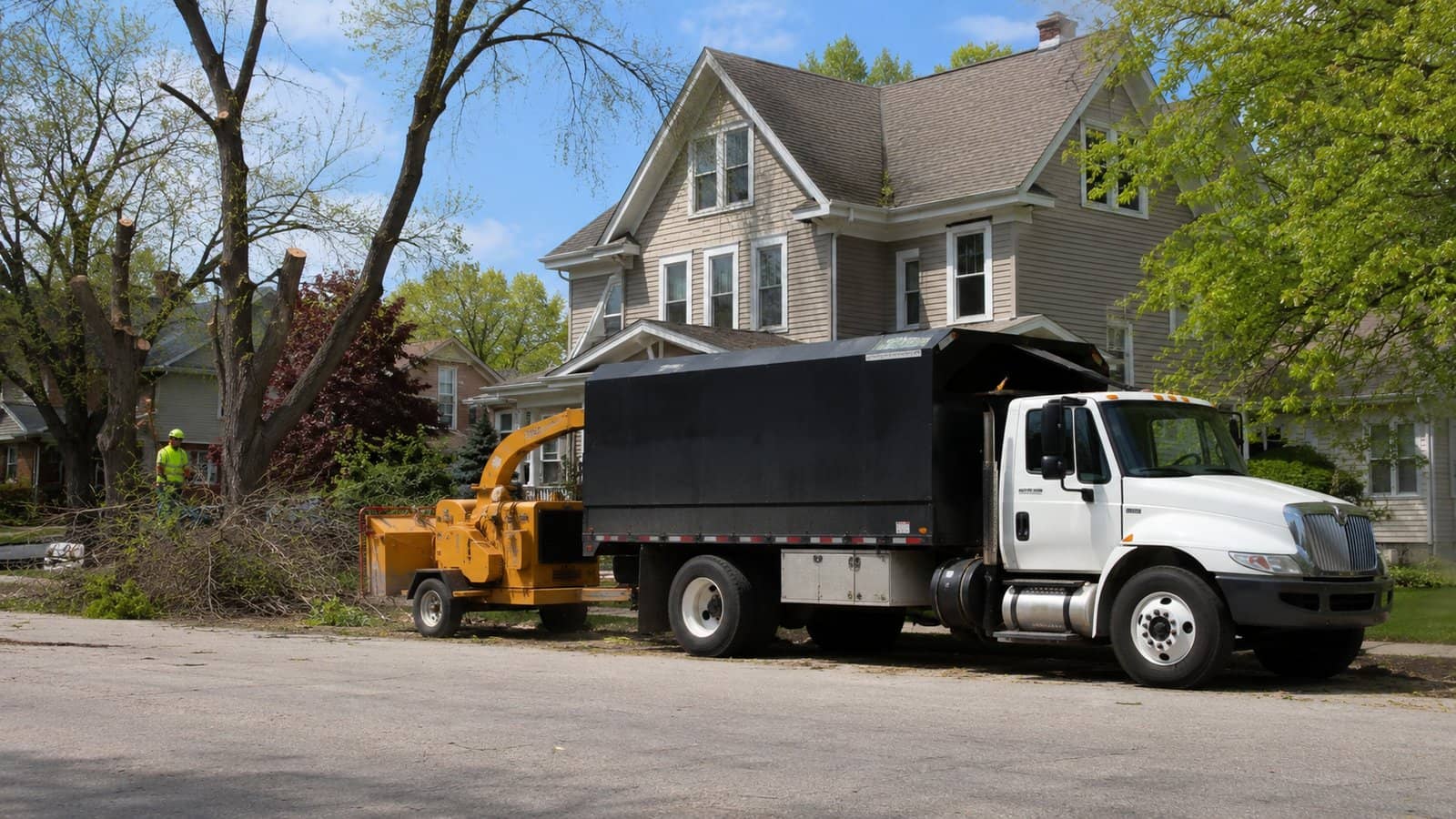
How Much Does Tree Removal Cost in the Chippewa Valley?
Tree removal cost depends on size, access, tree condition, rigging, nearby targets, cleanup, stump grinding, and whether it is emergency work.
Read article →
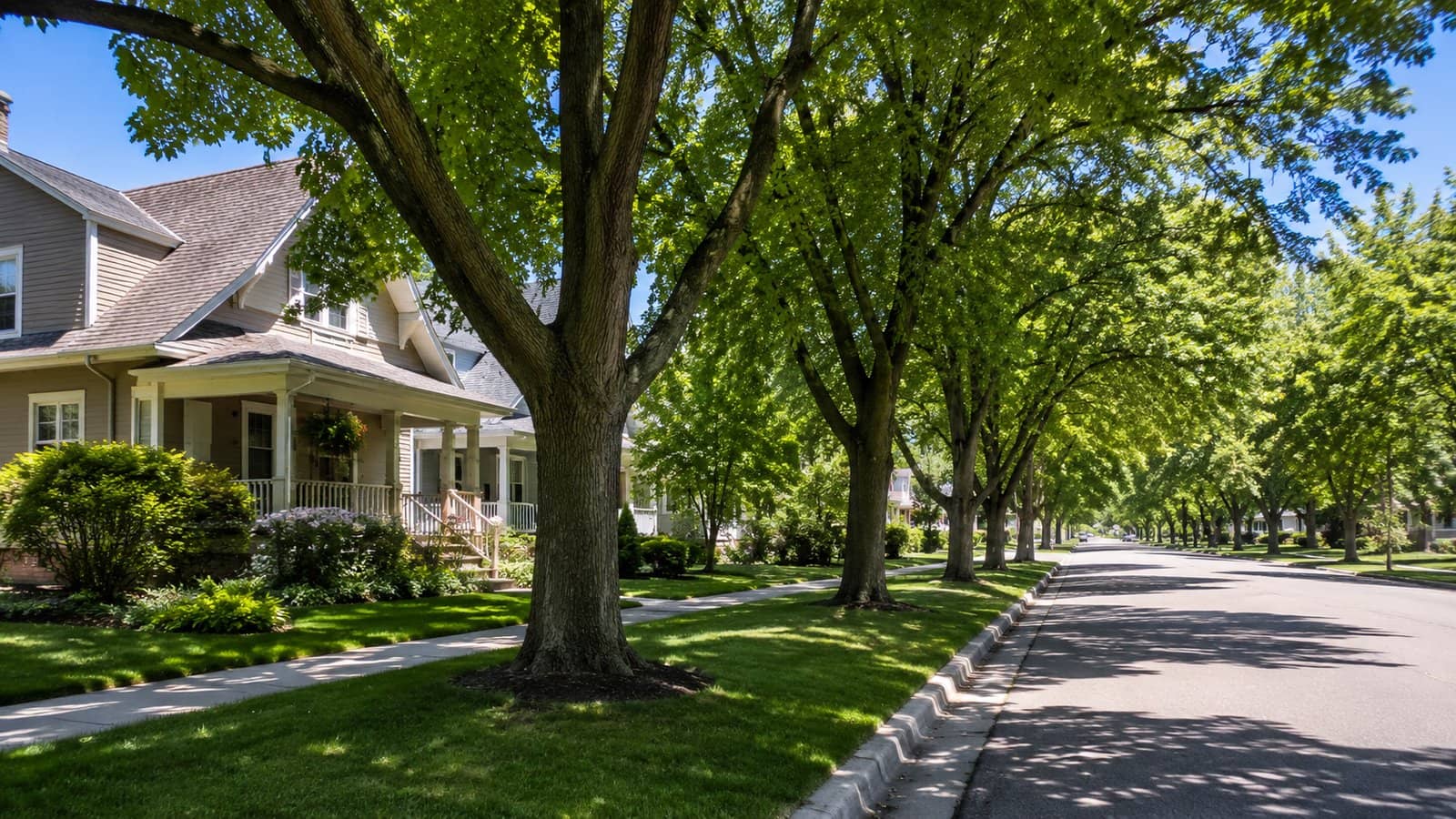
Do You Need a Permit to Remove a Tree in Eau Claire?
Private-yard removals are often straightforward, but boulevard and public trees are city-managed. Check with Eau Claire Forestry before work near the right-of-way.
Read article →
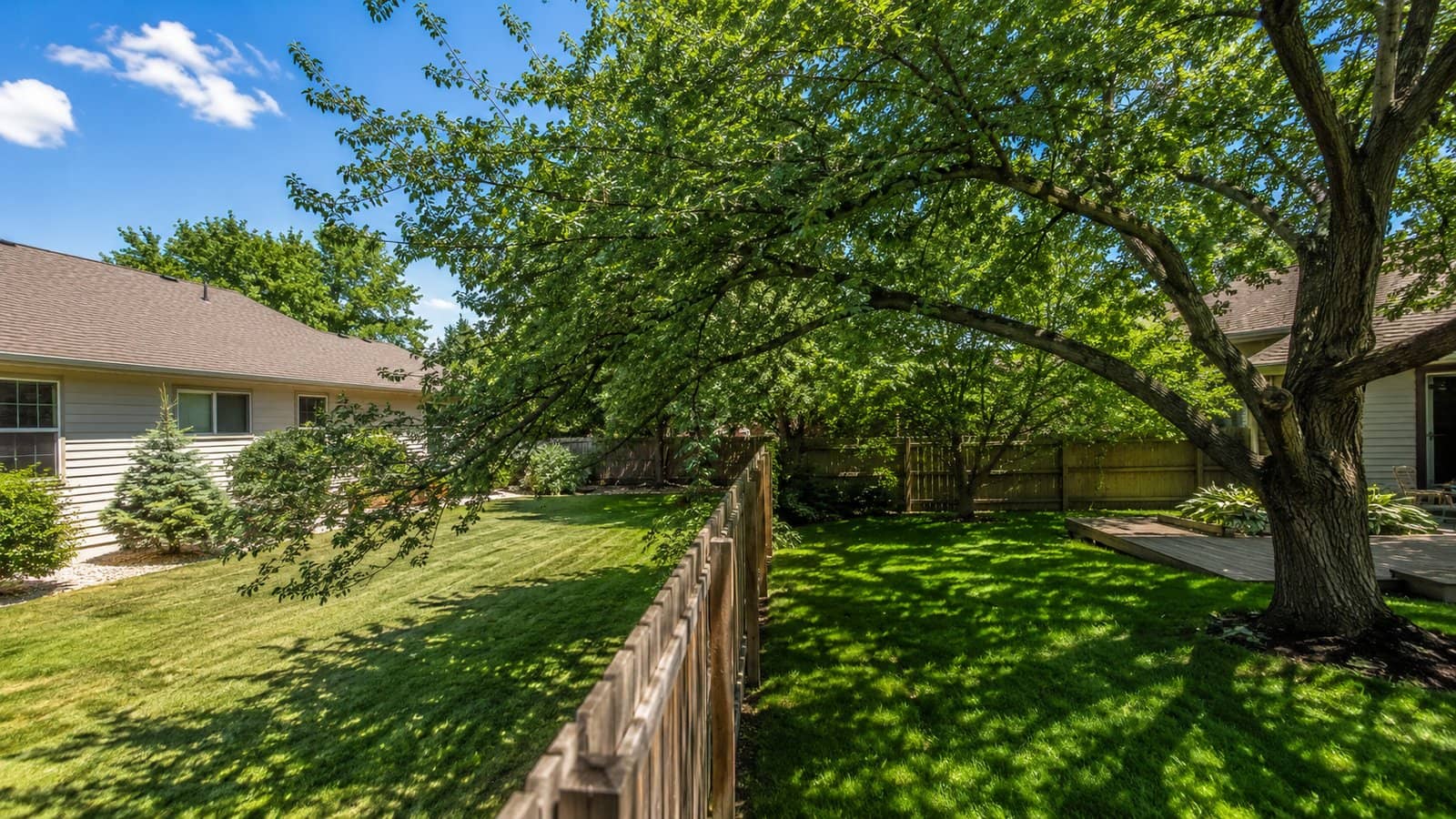
Your Neighbor’s Tree Is Hanging Over Your Yard: Who’s Responsible in Wisconsin?
In general, trim only what crosses onto your side, do not trespass, do not harm the tree, and get legal advice for boundary trees or disputes.
Read article →
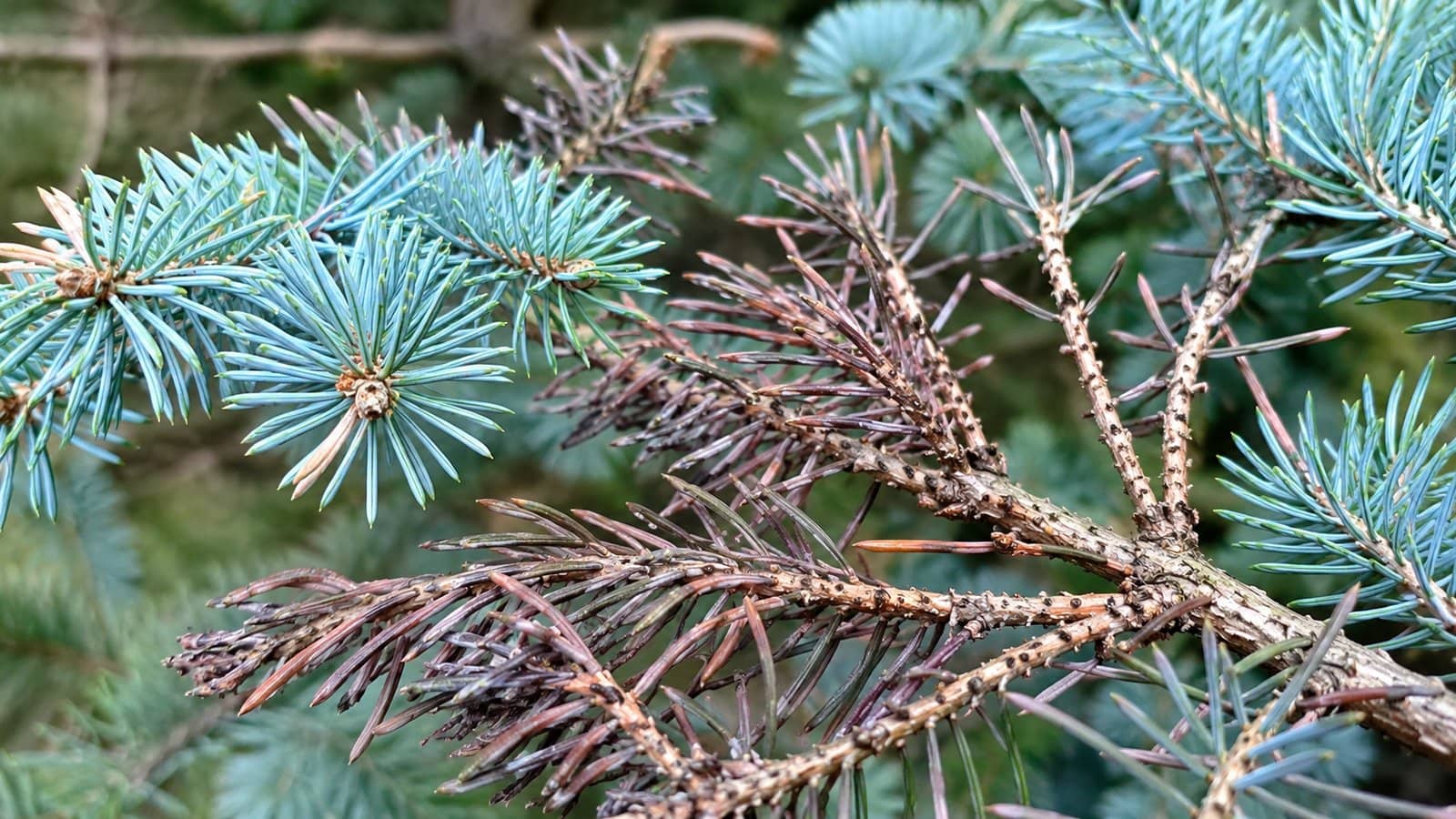
Why Is My Blue Spruce Turning Brown?
Blue spruce browning is often Rhizosphaera needle cast, Cytospora canker, drought stress, or poor site conditions. Treatment depends on the pattern and severity.
Read article →
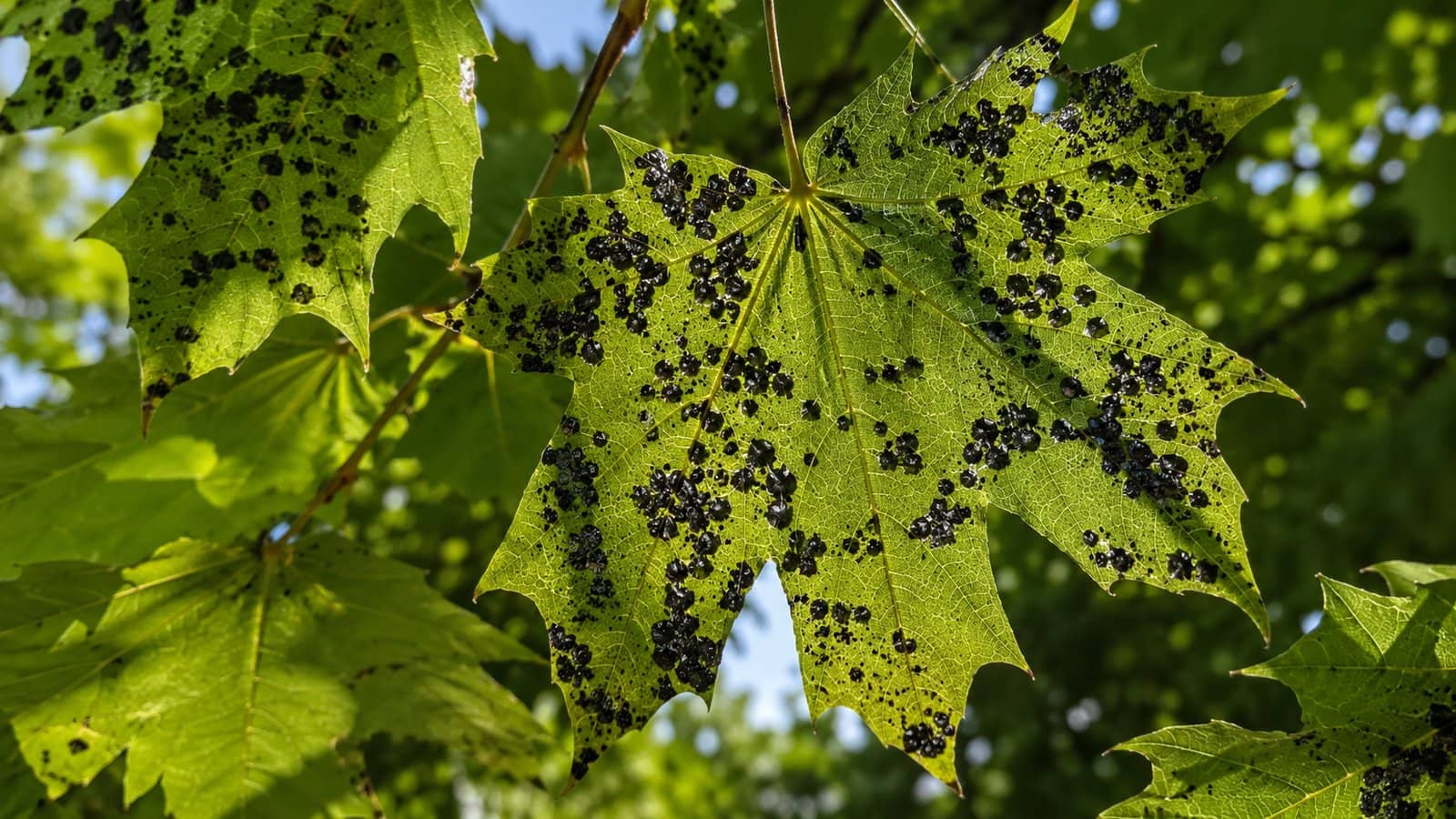
Black Spots on Your Maple Leaves? It’s Probably Tar Spot
Tar spot on maple leaves is usually cosmetic. Rake and dispose of infected leaves in fall, and look closer only if the tree has other signs of decline.
Read article →
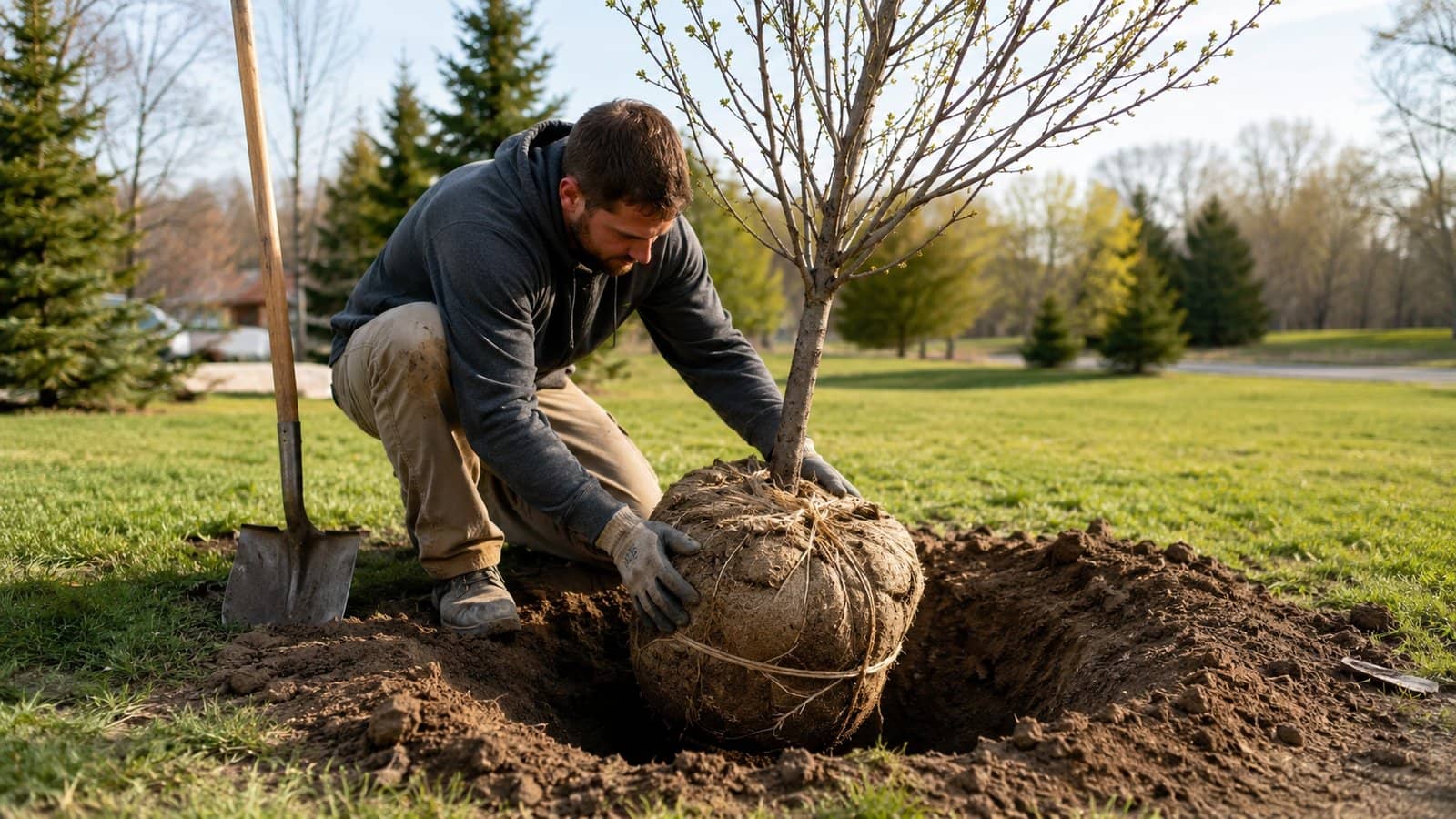
When Is the Best Time to Plant a Tree in Wisconsin?
Plant most trees in spring or early fall, avoid summer heat when possible, plant evergreens earlier in fall, and make watering the real priority.
Read article →
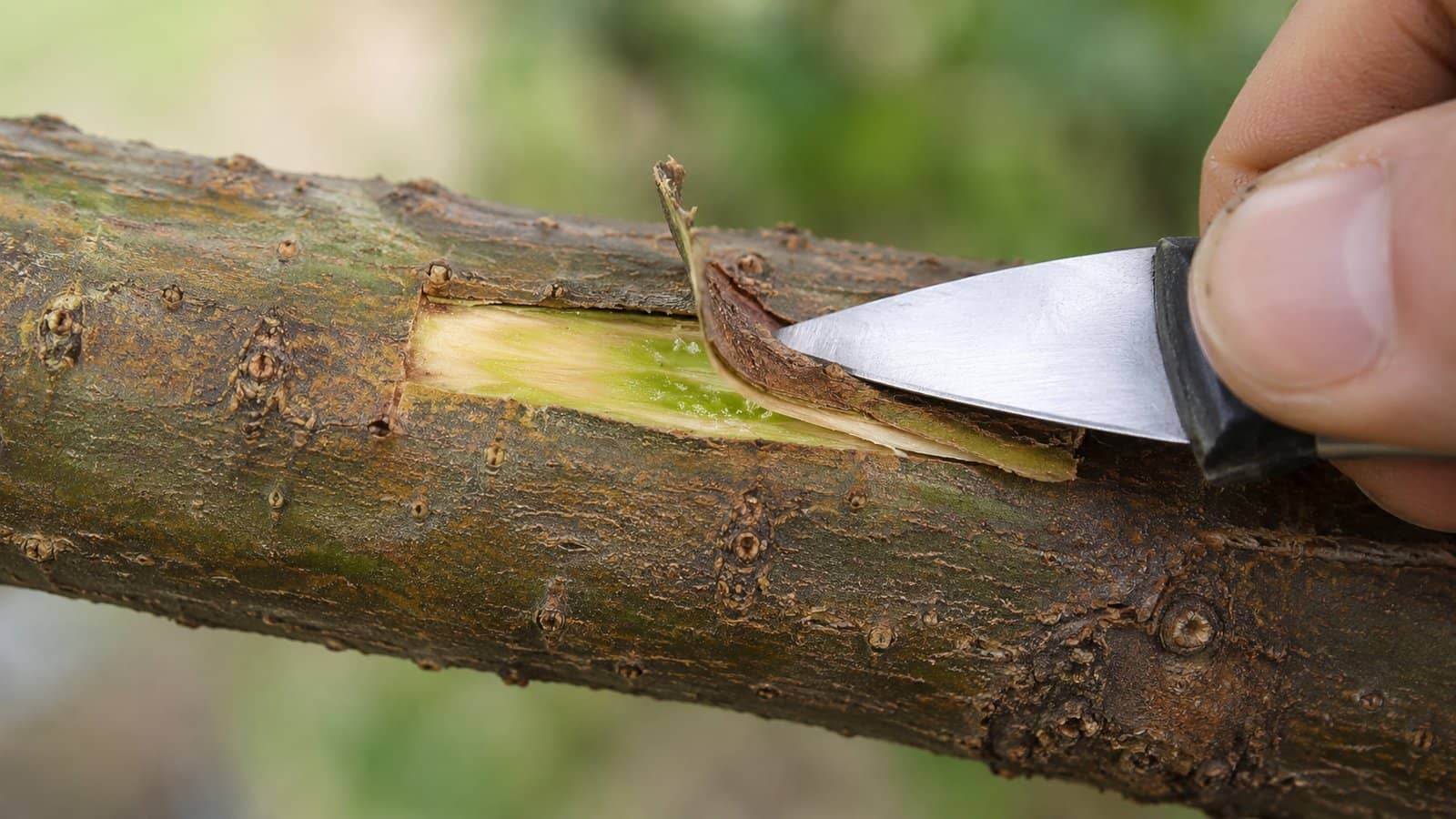
How to Tell If a Tree Is Dead or Just Dormant
Use the scratch test, bud check, branch bend, bark condition, and root signs before calling a tree dead. Some species leaf out later than others.
Read article →
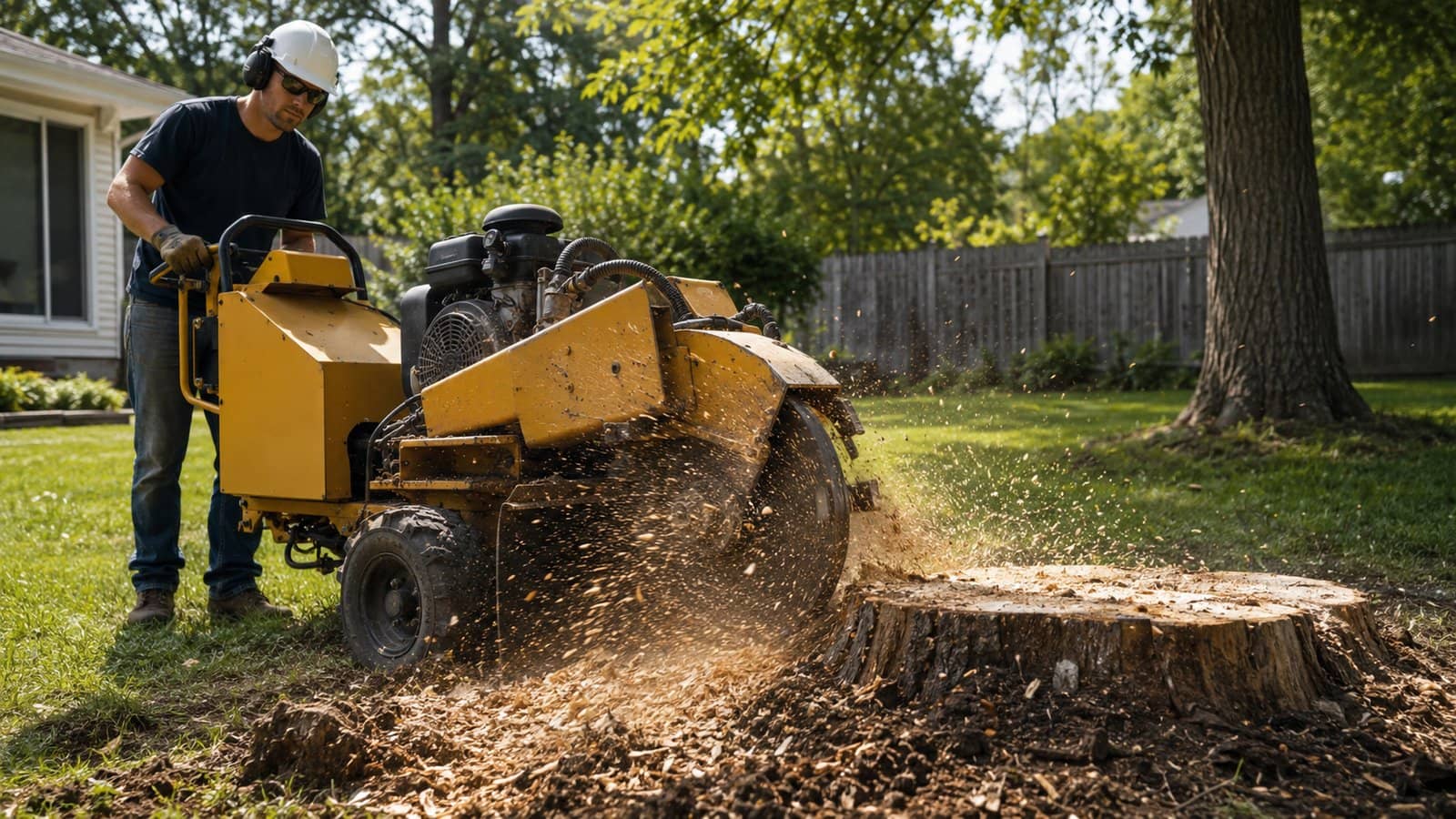
Stump Grinding vs. Stump Removal: What’s the Difference?
Stump grinding removes the visible stump and is best for most yards. Full removal digs out the stump and roots, which is more invasive and mainly for construction needs.
Read article →
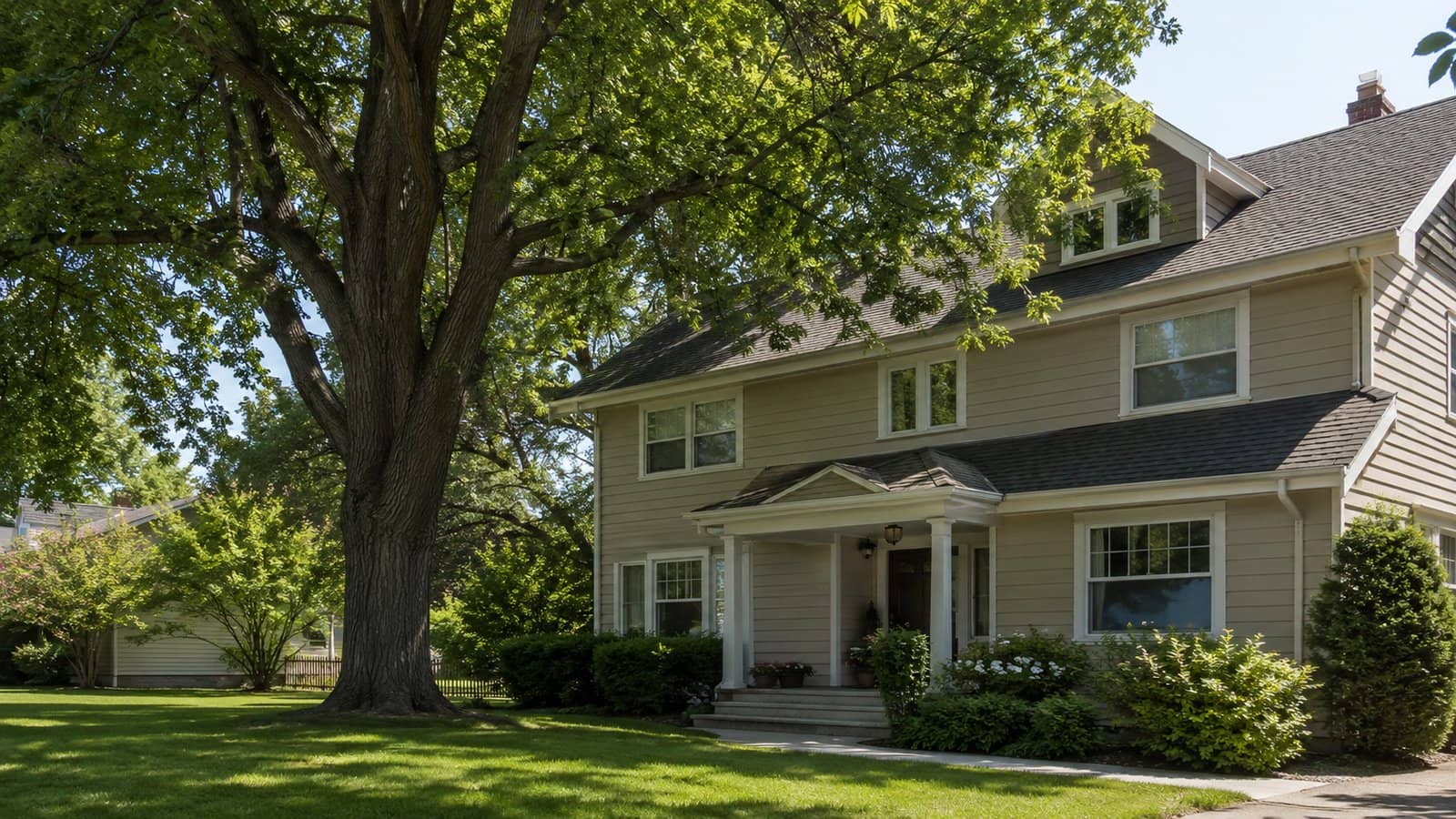
How Close Can You Plant a Tree to Your House?
Match tree spacing to mature size and site constraints. Small ornamentals can be closer, while large shade trees need room from roofs, foundations, lines, and utilities.
Read article →
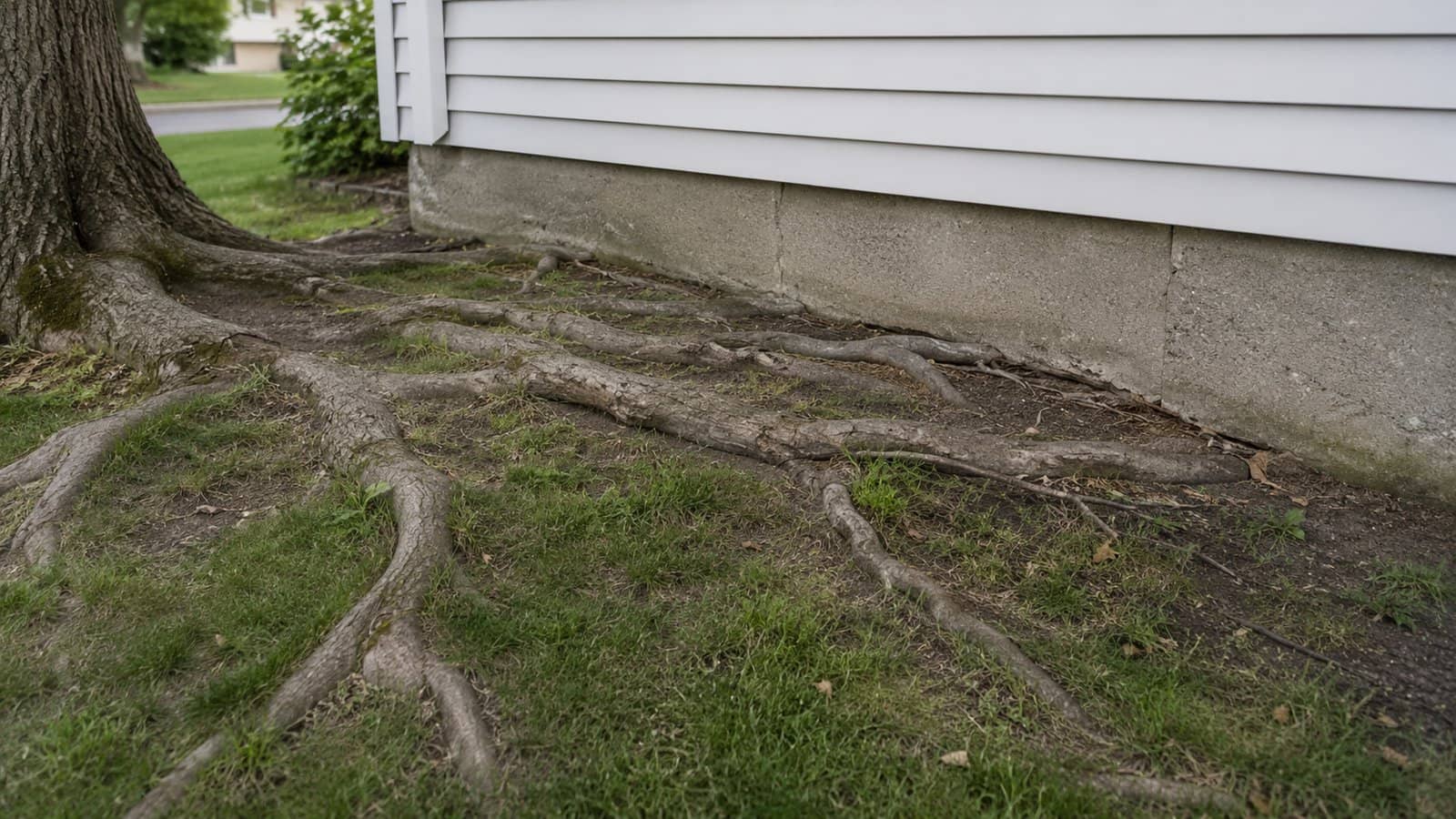
Do Tree Roots Damage Foundations and Sewer Lines?
Roots rarely punch through sound foundations, but they can affect soil moisture and invade damaged sewer lines. Smart species choice and spacing prevent most problems.
Read article →
Still have a tree question?
If it is not covered here, reach out or call (715) 313-0550 for honest, local advice. The estimate is always free.