What jumping worms are
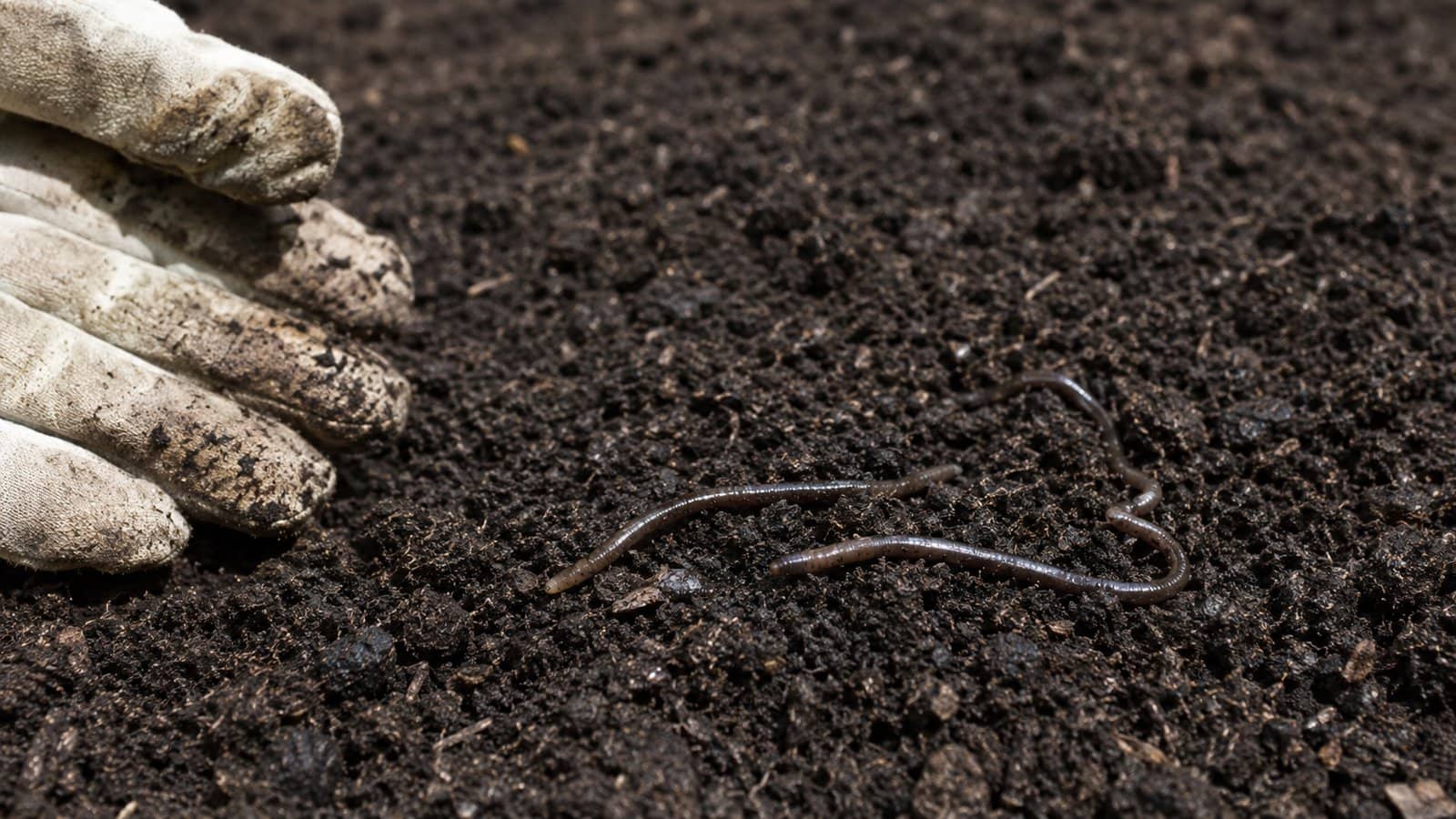
Jumping worms are invasive earthworms in the genus Amynthas. They are different from the nightcrawlers many people are used to seeing. They live near the soil surface, move in a fast snake-like way when disturbed, and can shed tail segments if handled roughly.
The Wisconsin DNR says jumping worms can quickly turn soil into dry, granular pellets with a texture similar to discarded coffee grounds. That changed soil structure is often poor for ornamental plants, garden plants, and many native species. (Source: Wisconsin DNR.)
Why they matter for trees
Trees depend on the top layers of soil for organic matter, fine roots, fungi, moisture, and nutrients. Jumping worms consume leaf litter and organic matter quickly, then leave behind hard castings that do not hold water well. In a yard, that can mean stressed shrubs, poor seedling survival, erosion on slopes, and trouble getting new plantings established.
In wooded areas, the impact can be larger. The forest floor is where tree seedlings germinate and where spring wildflowers, fungi, and soil organisms interact. When jumping worms alter that layer, invasive plants often gain an advantage and young native plants struggle.
How to identify them
Look for a smooth, glossy, gray-brown worm that thrashes hard when disturbed. The light band near the head, called the clitellum, is cloudy white to gray, smooth, flush with the body, and completely encircles it. Nightcrawler bands are usually raised and saddle-like rather than smooth all the way around.
They are easiest to notice in late summer and early fall when adults are mature. The soil itself can be the first clue: a uniform layer of crumbly pellets that looks like spent coffee grounds.
How jumping worms spread
The adult worms do not need to travel far to become a problem. Their cocoons are tiny, hard to see, and easily moved in soil, compost, mulch, potted plants, root balls, garden tools, tires, and equipment. A single worm can reproduce without a mate, so a small introduction can become a larger infestation.
That is why prevention matters more than cleanup. Once jumping worms are established in a landscape, there is no simple, reliable treatment that removes them without causing other harm.
What homeowners can do
Inspect potted plants before bringing them home, and consider bare-root plants when practical. Buy mulch and compost from reputable sources that use proper heat treatment. Clean soil from shovels, boots, mower tires, trailers, and equipment before moving between properties.
If you know an area is infested, do not move soil, plants, mulch, or leaf litter from that area to another part of the yard. Bagging and disposing of individual worms may reduce numbers in a small bed, but it will not remove cocoons already in the soil.
Planting in affected soil
If you are planting trees or shrubs where jumping worms are present, expect the site to need extra care. Mulch lightly with clean material, water consistently, reduce competition, and choose tough plants suited to the conditions. New trees may need closer monitoring because the altered soil can dry out faster than expected.
Talk to a local arborist
If your soil has changed or new plantings are struggling, Wellner Arboriculture can help evaluate the site and recommend next steps. Reach out or call (715) 313-0550.