Start with a calm conversation
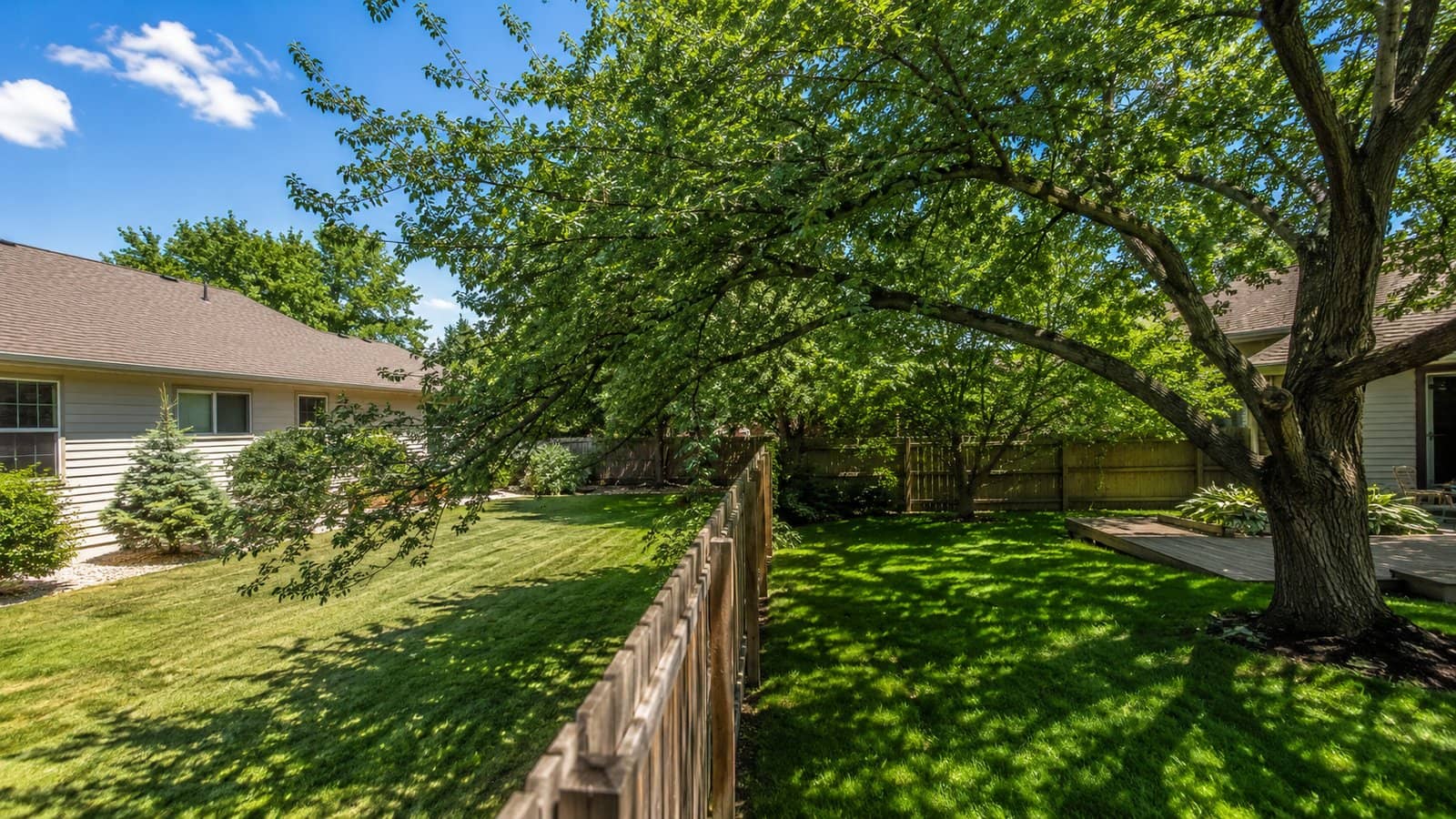
Overhanging branches can block light, scrape roofs, drop limbs, clog gutters, or make mowing difficult. They can also turn friendly neighbors into frustrated ones if the work is handled abruptly. Before cutting, it is usually worth having a short, clear conversation with the tree owner.
Explain what is crossing the line, why it concerns you, and what kind of pruning you are considering. A neighbor may agree to handle the work, split the cost, or allow better access for proper pruning. Even when you believe you have the right to trim, communication reduces surprises.
General rule: stay on your side of the line
In many places, property owners may trim branches or roots that extend onto their property, but only back to the property line. That does not mean you can cross into the neighbor’s yard, cut beyond the boundary, or remove the whole tree without permission.
Wisconsin property situations can be fact-specific, and local ordinances may matter. Treat this article as general information, not legal advice. If the tree is valuable, disputed, protected, or already causing damage, talk with an attorney or the local municipality before taking action.
Do not harm the tree
Legality aside, aggressive pruning can injure or destabilize a tree. Removing too much canopy, making flush cuts, cutting large roots, or topping the tree can lead to decay, decline, or failure. If your work kills or seriously damages a tree that belongs to someone else, you may be responsible for the consequences.
That is why a professional pruning plan matters. The right cuts can create clearance while preserving branch collars, reducing tear-out, and keeping enough canopy for the tree to remain healthy.
Boundary trees need extra care
If the trunk sits on the property line, the tree may be treated differently than a tree rooted fully in one yard. Boundary trees are often considered shared property, which means neither neighbor should assume they can remove the whole tree on their own.
Before pruning or removing a boundary tree, confirm the property line and get agreement in writing when possible. Survey pins, fences, and mowing patterns do not always tell the full legal story.
What if the tree is hazardous?
If a neighbor’s tree has obvious dead limbs, a severe lean, trunk cracks, or root failure aimed at your property, document the concern with photos from your side and communicate in writing. Keep the tone factual: what you observed, where it is, and why it seems unsafe.
If there is immediate danger, such as a tree on a line, a split trunk hanging over a house, or a storm-damaged limb above a public area, contact the utility, municipality, emergency services, or a qualified tree service as appropriate. For ongoing disputes, insurance and legal advice may be needed.
Prune for clearance, not revenge
The best neighbor-tree work is boring in a good way: it removes the branches causing the problem and leaves the tree structurally sound. Avoid topping, flat-siding, or cutting every branch at the property line without regard for the tree’s form. Those cuts often create more conflict and more future maintenance.
Wellner Arboriculture can help with tree pruning that respects property limits and tree health. If ownership or legal responsibility is unclear, settle that first before hiring anyone to cut.
Talk to a local arborist
Need an arborist’s opinion before trimming a neighbor tree? Reach out or call (715) 313-0550.