Sump & Sewer Pump Service | Metro Atlanta
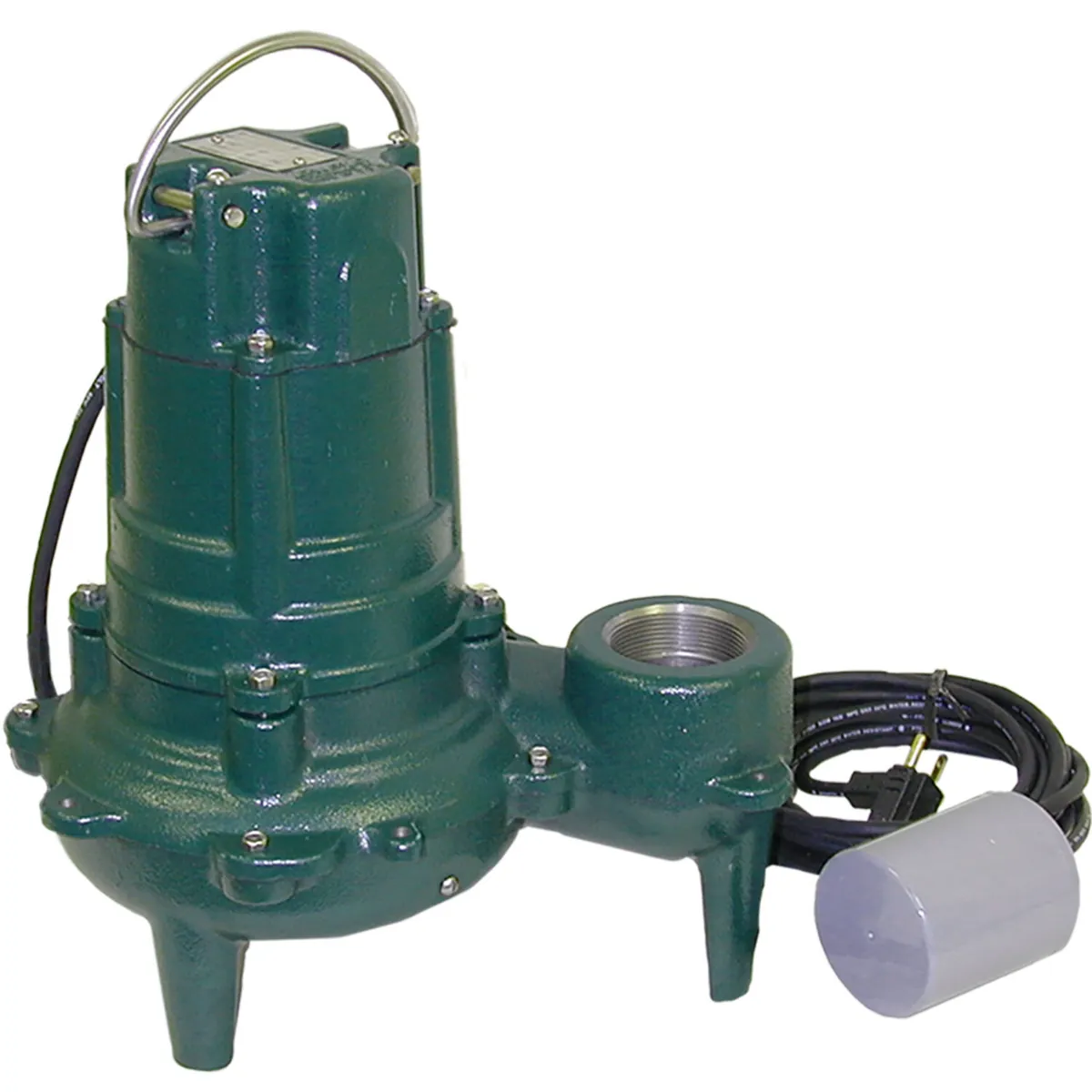
Sump and Sewer Pump Service in Marietta and Metro Atlanta
Metro Atlanta sits on red clay, and that clay does not drain. When a Georgia thunderstorm dumps two or three inches in an afternoon, the water has nowhere to go but down toward your foundation. A working pump keeps that water out of your basement instead of in it. A&G Plumbing & Drain has installed, repaired, and replaced sump pumps and sewage ejector pumps across Marietta and the surrounding area since 2006, and we know how local soil and rainfall put these systems to the test.
This page covers both kinds of pump people tend to confuse. A sump pump moves groundwater away from your home. A sewage ejector pump moves wastewater up from a below-grade bathroom or laundry. Different jobs, different equipment, and we handle both.
Sump Pumps for Basements and Crawlspaces
A sump pump lives in a pit (the sump basin) dug into the lowest point of your basement or crawlspace. Groundwater collects in that pit, a float switch senses the rising level, and the pump kicks on and pushes the water out through a discharge line away from your foundation. In our area it works hard for its keep. Heavy clay holds water against the foundation walls, and during a wet stretch a pump in a Marietta basement can cycle dozens of times in a single storm.
There are two main types. A submersible pump sits down inside the basin, runs quieter, and stays out of the way, which is why most finished basements use one. A pedestal pump keeps its motor up above the pit on a column, costs less, and lasts a long time, but it is louder and takes up more space. We help you pick based on your basin size, how much water you actually get, and whether the space is finished.
If you are dealing with standing water that turns out to be a supply or drain line problem rather than groundwater, that is a different fix. Our leak detection and repair team can pinpoint a hidden leak before you spend money on a pump you may not need.
Sewage Ejector Pumps for Below-Grade Bathrooms
If you have a bathroom, laundry, or wet bar that sits below the level of your main sewer line (think a basement bathroom), gravity will not carry the waste out on its own. That is where a sewage ejector pump comes in. The fixtures drain into a sealed basin, and when it fills, the pump grinds and lifts the wastewater up to the level of your main sewer line so it can flow out to the city sewer or septic system.
These pumps handle solids, so they are built tougher than a sump pump and should never be confused with one. Putting a sump pump on a basement toilet is a common and messy mistake. A proper ejector setup needs a sealed, vented basin and the right horsepower for the run. We size it correctly the first time so you are not dealing with backups or odors later.
Float Switches and Battery Backups
The float switch is the part that tells the pump when to run, and it is also the part that fails most often. A stuck float means the pump either never turns on while water rises, or runs nonstop until the motor burns out. We use reliable vertical and tethered float designs and position them so they cannot hang up on the basin wall or the discharge pipe.
A battery backup matters more here than people expect. Georgia storms knock out power and dump rain at the same time, which is the exact moment your sump pump is supposed to be working hardest. A backup battery system keeps the pump running through an outage, and a water-powered or dual-pump setup adds another layer for homes that flood badly. We talk through whether a backup makes sense for your situation instead of selling you one you will never use. Adding a battery backup typically runs a few hundred dollars on top of the pump, and for a finished basement it is usually money well spent.
Signs Your Pump Is Failing
Pumps give you warning before they quit. Watch and listen for these:
- Running constantly or short-cycling on and off even when it has not rained
- Strange noises such as grinding, rattling, or a loud hum with no water moving
- Visible rust, or vibration that has shaken the unit out of position
- Water in the basin that the pump is not clearing, or a basin that overflows
- The pump is more than 7 to 10 years old (that is the typical lifespan)
- A sewage smell near a basement bathroom, which often points to an ejector pump or its seal
If you catch any of these before the next big rain, you have time to plan a replacement instead of mopping up at midnight. Same-day service is available when our schedule allows during business hours.
How to Replace a Sewage Pump, and What It Costs
Replacing a sewage ejector pump is not a quick swap like changing a faucet. The basin has to be opened, the old pump disconnected from the discharge and vent, the unit lifted out (these are heavy and full of waste), the new pump set, and every seal redone so the basin stays airtight. Get the seal wrong and you get sewer gas in the house. This is a job we strongly recommend leaving to a licensed plumber, both for the gas risk and because the electrical and discharge connections have to be right.
On cost, here is what the national numbers look like as of 2025 so you can set expectations. A straightforward sump pump replacement commonly falls in the $645 to $2,100 range, with many homeowners landing in the middle of that depending on pump type and whether you add a battery backup. Sewage ejector pump replacement tends to run higher, often $850 to $3,000, because the equipment is heavier-duty and the work is more involved. A full system install with a new basin or pit can reach the upper end. Your actual price depends on the pump, your basin, the discharge run, and access, so we hand you a clear quote before any work starts.
Sump and Sewer Pump Service Across Metro Atlanta
A&G Plumbing & Drain is based in Marietta and serves homeowners throughout the area, including Kennesaw, Smyrna, Roswell, and Acworth. We are family-owned, licensed and insured, and rated 4.9 stars across 420+ reviews. Whether your basement floods every spring or your basement bathroom has started to back up, we will get the right pump in and keep your lower level dry. Call (770) 627-4421 to schedule.
Frequently Asked Questions
What is the difference between a sump pump and a sewage ejector pump?
A sump pump removes clean groundwater that collects in a pit under your basement or crawlspace and pushes it away from the foundation. A sewage ejector pump removes wastewater and solids from a below-grade bathroom or laundry and lifts it up to your main sewer line. They are not interchangeable, and using the wrong one causes clogs and failures.
How long does a sump pump last in Georgia?
Most sump pumps last about 7 to 10 years. Homes in our area can be on the shorter side of that because heavy clay and frequent storms make the pump cycle more often than it would in drier soil. Once a pump passes the seven-year mark, it is smart to plan for replacement before it fails during a storm.
Do I really need a battery backup for my sump pump?
If your basement is finished, or if losing the pump would cause real damage, yes. Power outages and heavy rain tend to happen together here, and that is exactly when the pump needs to run. A battery backup keeps it working through an outage. We can tell you whether your situation justifies one rather than pushing it on every customer.
How much does it cost to install or replace a sump pump in Atlanta?
A typical sump pump replacement commonly runs $645 to $2,100, depending on the pump type and whether you add a battery backup. Sewage ejector pump replacement usually runs higher, around $850 to $3,000, because of the heavier equipment and more involved labor. We provide a firm quote for your specific home before any work begins.
Can I replace a sewage ejector pump myself?
We do not recommend it. The basin holds raw sewage, the unit is heavy, and the seal has to be airtight or you get sewer gas inside the house. The electrical and discharge connections also need to meet code. A licensed plumber does the job safely and correctly, and that is the smarter route for an ejector pump.
Why does my sump pump keep running when it has not rained?
The most common cause is a stuck or failed float switch telling the pump the basin is full when it is not. Other causes include a high water table, a leak feeding the basin, or a check valve that lets discharged water flow back in. If yours runs constantly, call us before the motor burns out and we will find the cause.