The Georgia Dog Owner's Guide to Preventing Fleas & Ticks
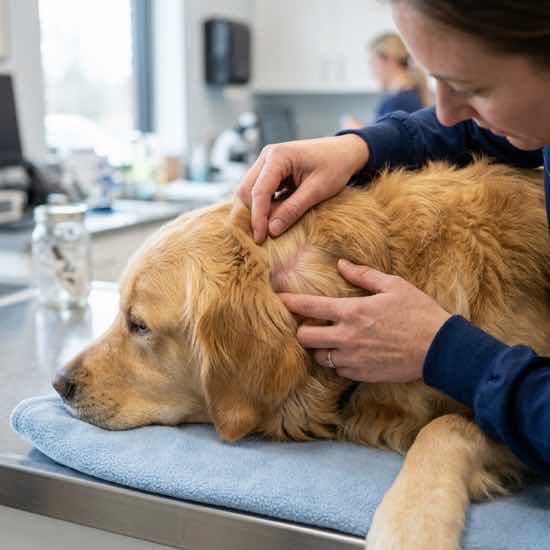
If you live in Georgia, flea and tick prevention isn't just a seasonal concern — it's a year-round necessity. Our warm, humid climate creates a paradise for parasites, and Metro Atlanta dogs are especially vulnerable. Without consistent prevention, a single flea can turn into a full-blown infestation in your home within weeks.
In This Article
Why Georgia Is a Hotspot for Fleas & Ticks
Georgia's mild winters mean that fleas and ticks never fully die off. While northern states get a break during freezing temperatures, Metro Atlanta rarely stays cold enough long enough to eliminate parasite populations. The combination of warmth and humidity from March through November creates ideal breeding conditions. Even in January, a warm spell can activate dormant flea eggs in your yard.
Common Ticks in Metro Atlanta
The two most common ticks in the Metro Atlanta area are the Lone Star Tick and the American Dog Tick. Both can transmit serious diseases. The Lone Star Tick is particularly aggressive and has been linked to a meat allergy condition called Alpha-Gal Syndrome. The Black-Legged Tick (Deer Tick), while less common, can transmit Lyme disease and is increasingly found in North Georgia.
Signs Your Dog Has Fleas or Ticks
Excessive scratching, biting at the skin, red bumps, hair loss, and 'flea dirt' (tiny black specks in the fur) are classic signs of fleas. Ticks are usually found by running your hands through your dog's coat — check behind the ears, around the collar area, between toes, and in the groin area after any outdoor activity in Georgia.
Prevention Strategies That Work
Year-round oral or topical flea and tick prevention is non-negotiable in Georgia. Consult your vet about products like NexGard, Bravecto, or Seresto collars. Treat your yard with pet-safe tick spray. Keep grass mowed short. Remove leaf litter and brush piles. Wash your dog's bedding weekly in hot water. And always do a thorough tick check after visits to wooded areas.
Natural Yard Treatments
For pet owners who prefer natural approaches, food-grade diatomaceous earth can be spread in your yard to kill fleas. Cedar mulch around play areas deters ticks. Nematodes (beneficial microscopic organisms) can be applied to your lawn to naturally reduce flea populations. However, these methods work best as supplements to veterinary-prescribed prevention, not replacements.
How Professional Yard Cleanup Reduces Parasites
One of the most overlooked flea and tick prevention strategies is keeping your yard free of dog waste. Feces attracts flies and other insects that carry parasites. Tall grass and organic debris create hiding spots for ticks. Paw Duties' regular waste removal service helps create an inhospitable environment for parasites — complementing your flea and tick prevention routine.
Final Thoughts
We hope this guide helps you and your furry friend navigate life in Georgia. At Paw Duties, we're passionate about making dog ownership easier for Metro Atlanta families. If there's one thing we know, it's that a cleaner yard means a happier home — for both you and your pup.
Ready for a Cleaner Yard?
Paw Duties provides professional dog waste removal across Metro Atlanta. No contracts, eco-friendly disposal, 100% satisfaction guarantee.
Get Your Free Quote