How to Keep Your Georgia Lawn Green and Healthy with Dogs
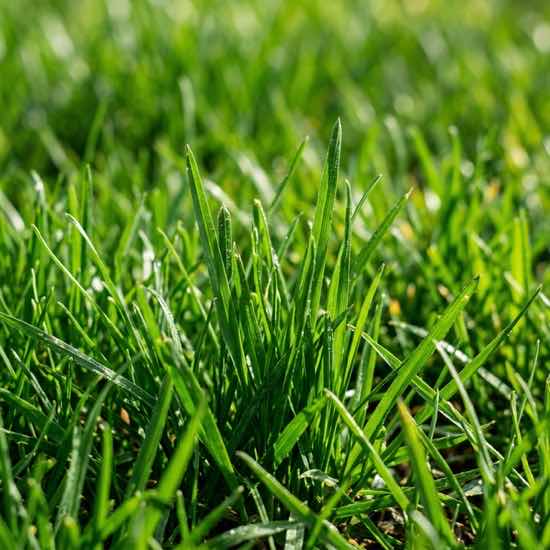
If you're a dog owner in Georgia, you've probably noticed those frustrating yellow and brown patches scattered across your lawn. Despite the common myth, dog waste does NOT act as fertilizer — it actually destroys your grass. But with the right strategies, you can absolutely maintain a lush, green yard while still giving your dogs the freedom to enjoy the outdoors.
In This Article
Why Dog Waste Burns Your Grass
Dog urine and feces contain extremely high concentrations of nitrogen — a byproduct of their protein-rich diets. While nitrogen is a key ingredient in fertilizer, the concentration in dog waste is far too high for grass to absorb. This overload 'burns' the turf, causing the characteristic yellow and brown dead patches known as nitrogen burn. Female dogs tend to cause more damage because they urinate in concentrated spots rather than marking multiple areas.
The Best Grass Types for Dog Owners in Georgia
Not all grasses handle dog traffic equally. For Georgia's climate zone (7-8), the most dog-resilient options are Bermuda grass (extremely tough, fast recovery), Zoysia grass (dense, handles moderate foot traffic well, shade-tolerant), and Tall Fescue (good for North Georgia's cooler areas, deep roots resist damage). Avoid St. Augustine if you have heavy dog traffic — it doesn't recover well from wear.
Immediate Steps After You Spot Damage
When you notice a fresh urine spot, immediately flush the area with water — a good soaking dilutes the nitrogen and prevents burn. For existing dead patches, rake out the dead grass, loosen the soil, apply a thin layer of compost, reseed with a matching grass variety, and keep the area moist until new growth appears. Most Georgia grass types can recover a patch within 2-3 weeks during the growing season.
Regular Waste Removal Is Non-Negotiable
The single biggest factor in maintaining a healthy dog-friendly lawn is prompt and regular waste removal. Dog feces left on the lawn for even a few days begins breaking down and leaching nitrogen directly into the soil, creating long-term damage that's harder to repair. Weekly (or more frequent) cleanup prevents this accumulation and gives your grass the best chance to stay green.
Pro Tips for a Dog-Friendly Georgia Lawn
Consider creating a designated 'potty area' with gravel or mulch to concentrate waste in one zone. Water your lawn deeply but infrequently to encourage deep root growth that resists damage. Apply a lawn repair treatment designed for pet damage (available at Home Depot and Lowe's). And consider overseeding your lawn each fall to thicken the turf and improve resilience against daily dog use.
Final Thoughts
A beautiful lawn and happy dogs aren't mutually exclusive — you just need the right approach. Regular professional waste removal is the foundation of a healthy, dog-friendly yard. Paw Duties removes all waste from your property weekly, giving your Georgia lawn the best possible chance to stay lush and green. No more nitrogen burn, no more brown patches — just a pristine yard you can both enjoy.
Ready for a Cleaner Yard?
Let Paw Duties handle the dirty work. Get a free, no-obligation quote for your property.